
Some places leave such an impression that you're planning your return journey before you've even packed up the tent. Bempton Cliffs is one of those places.
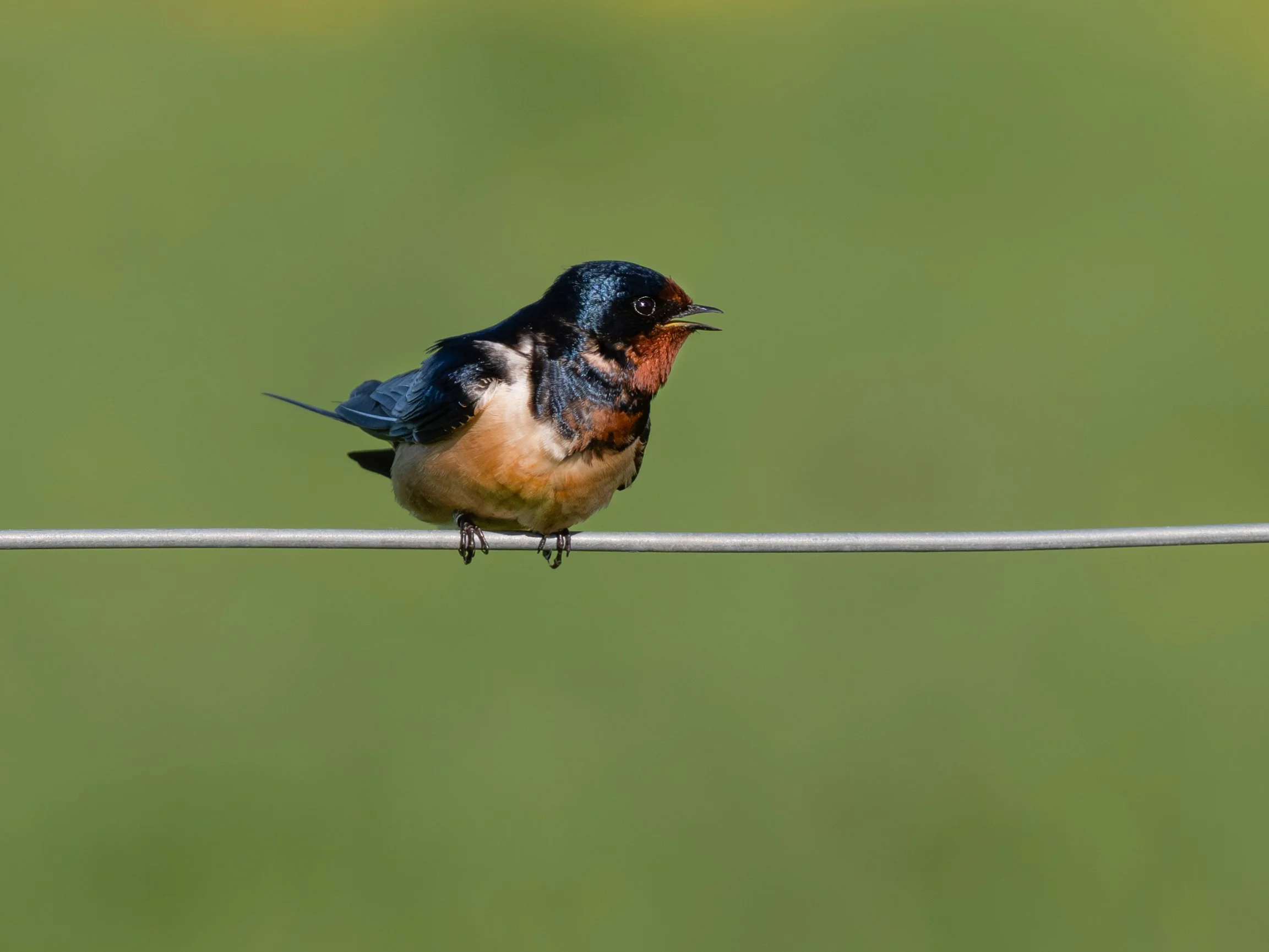
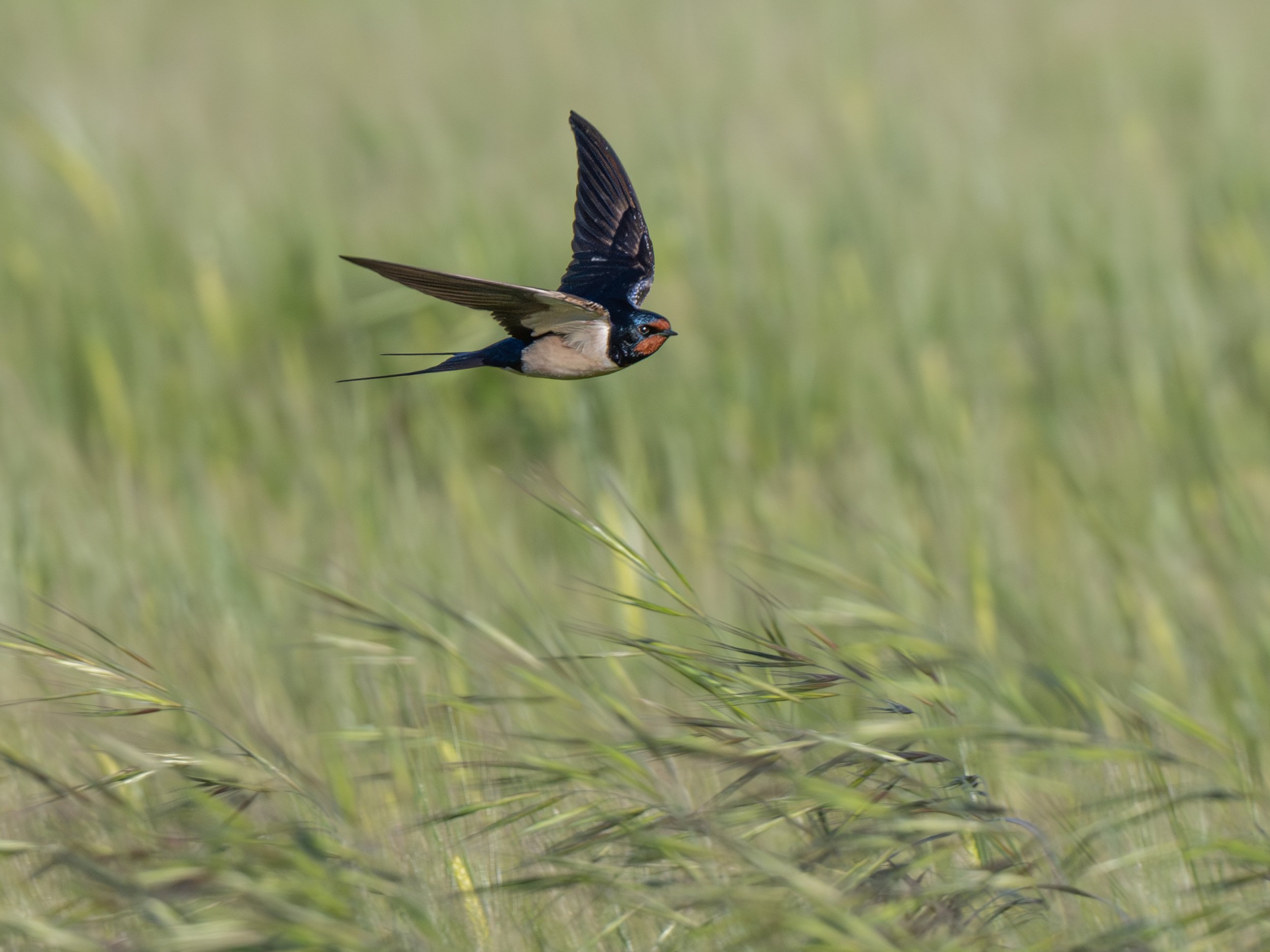
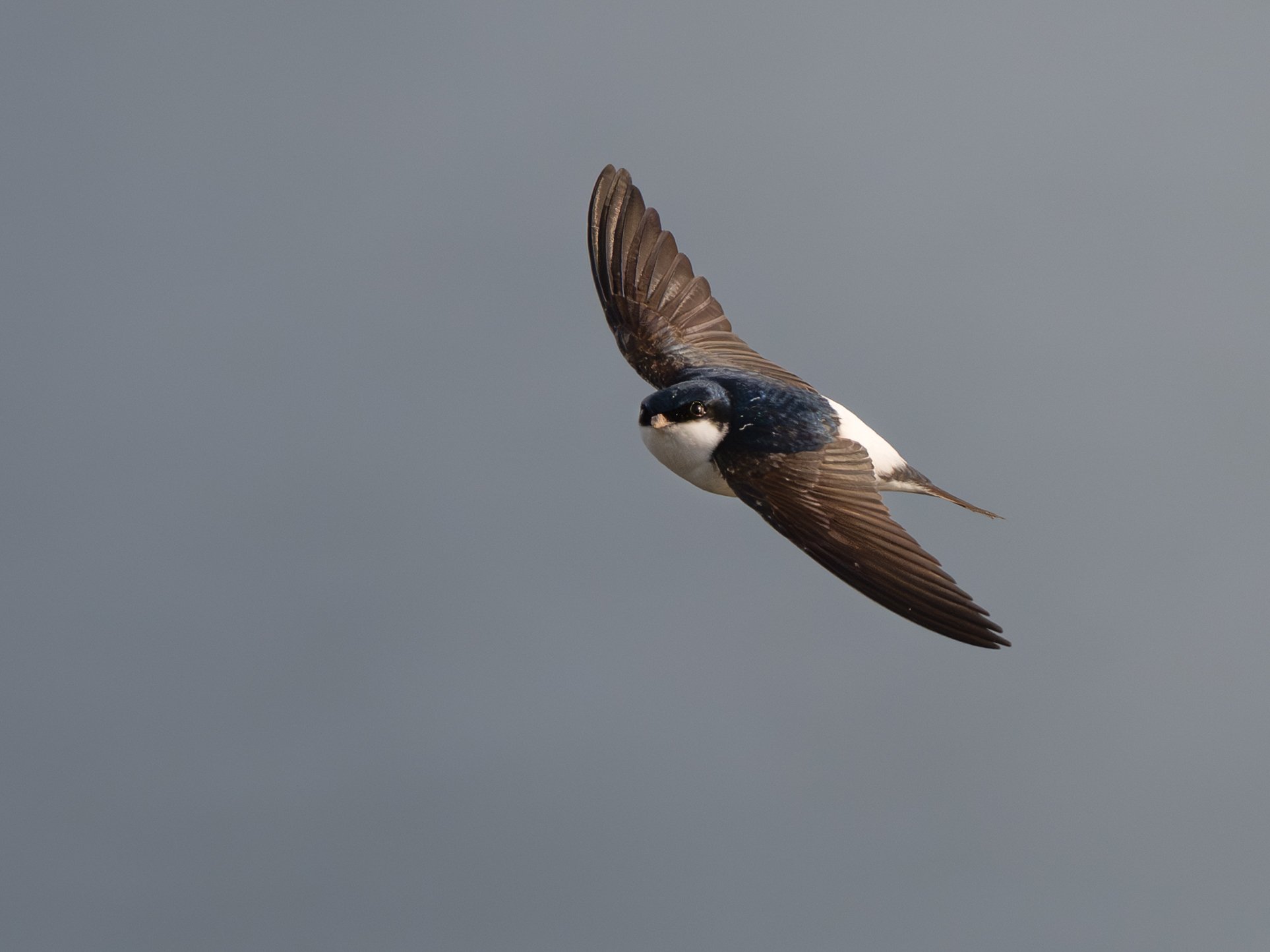
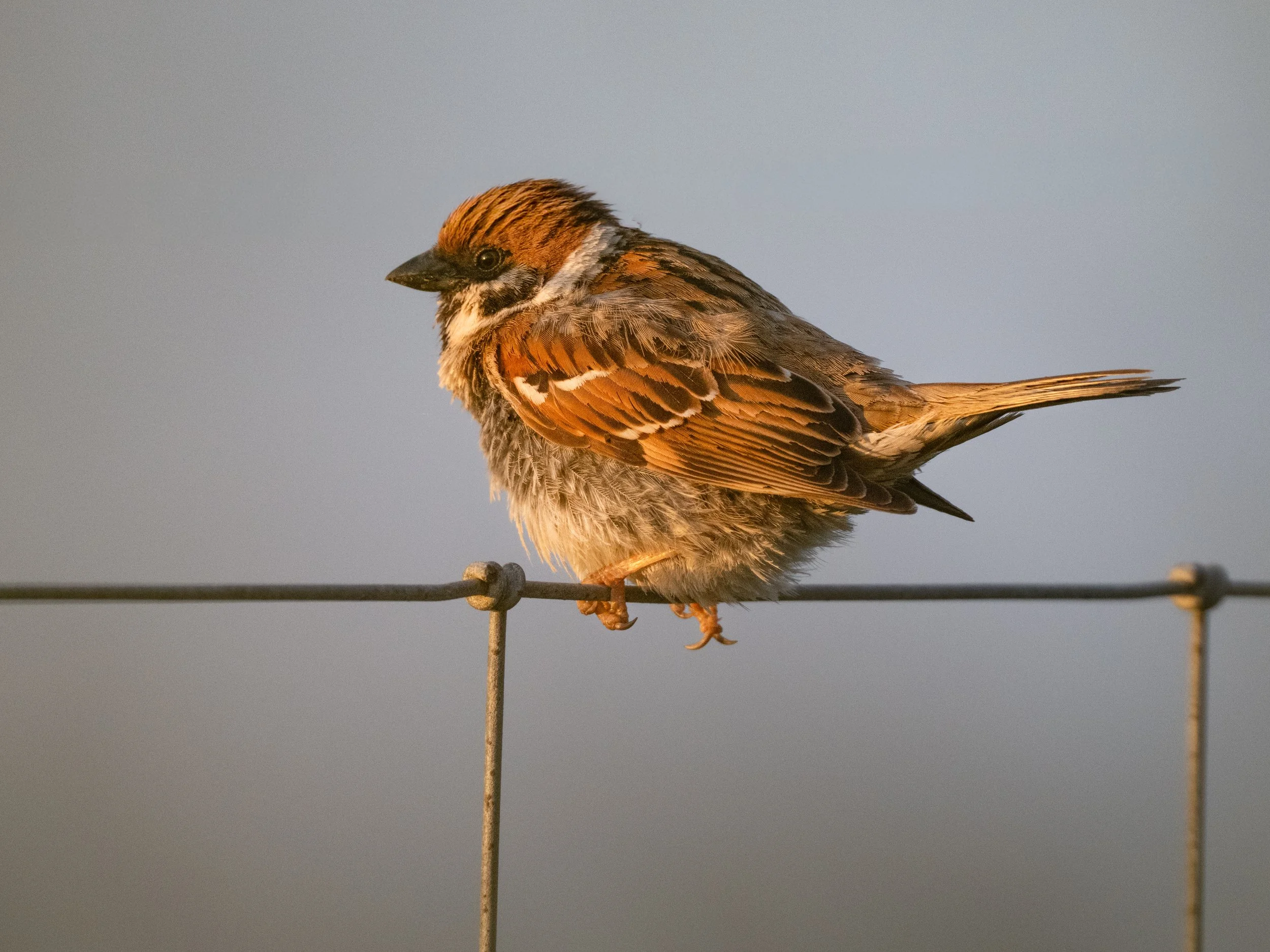
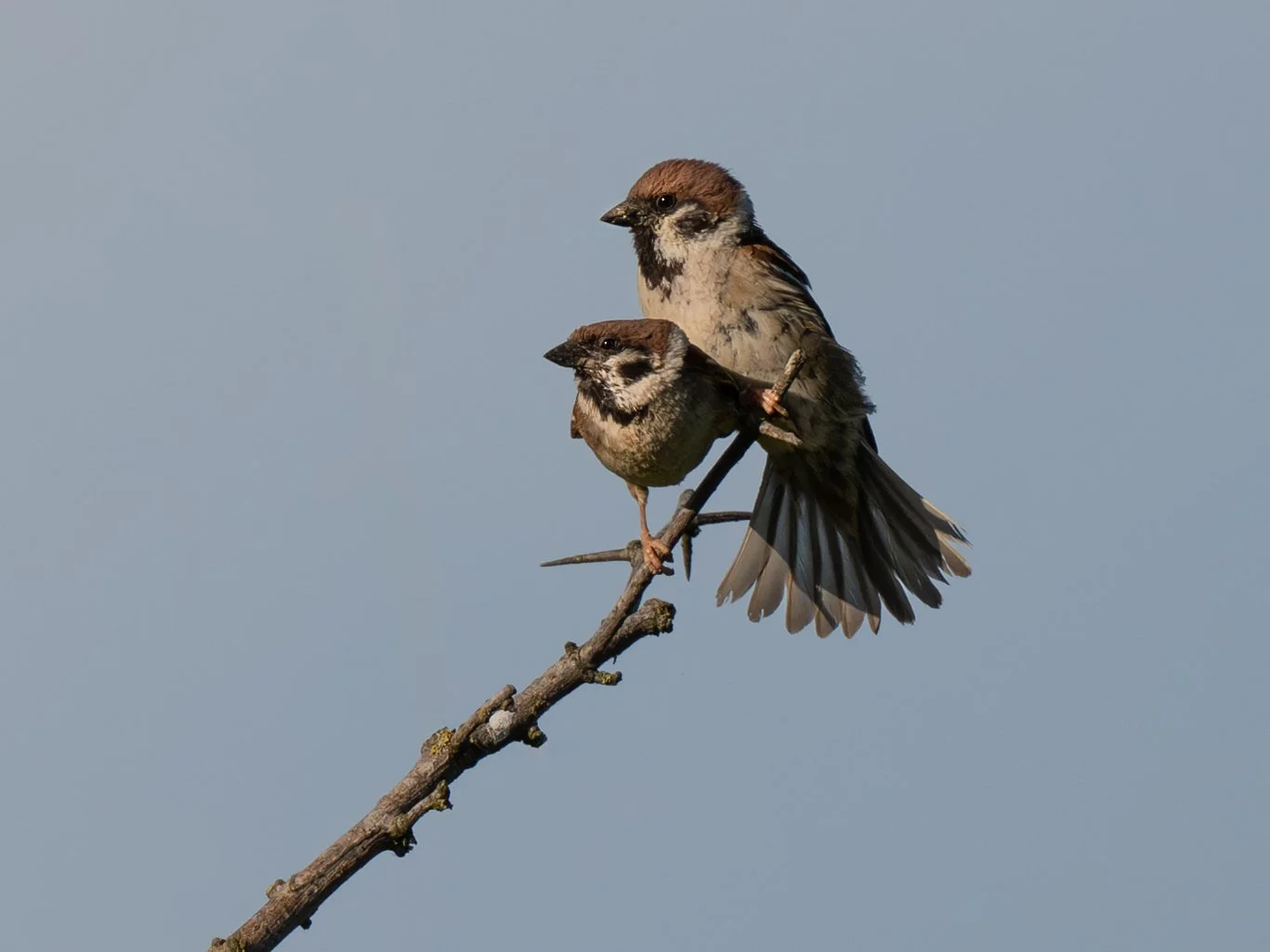
We spent three nights camping on the Yorkshire coast, and from the moment we arrived it felt like we'd landed in a wildlife documentary. Swallows zipped around the campsite at eye level, House Martins chattered overhead, Tree Sparrows hopped around the hedgerows, and Goldfinches added flashes of colour wherever you looked. Even Pied Wagtails seemed determined to keep us entertained.
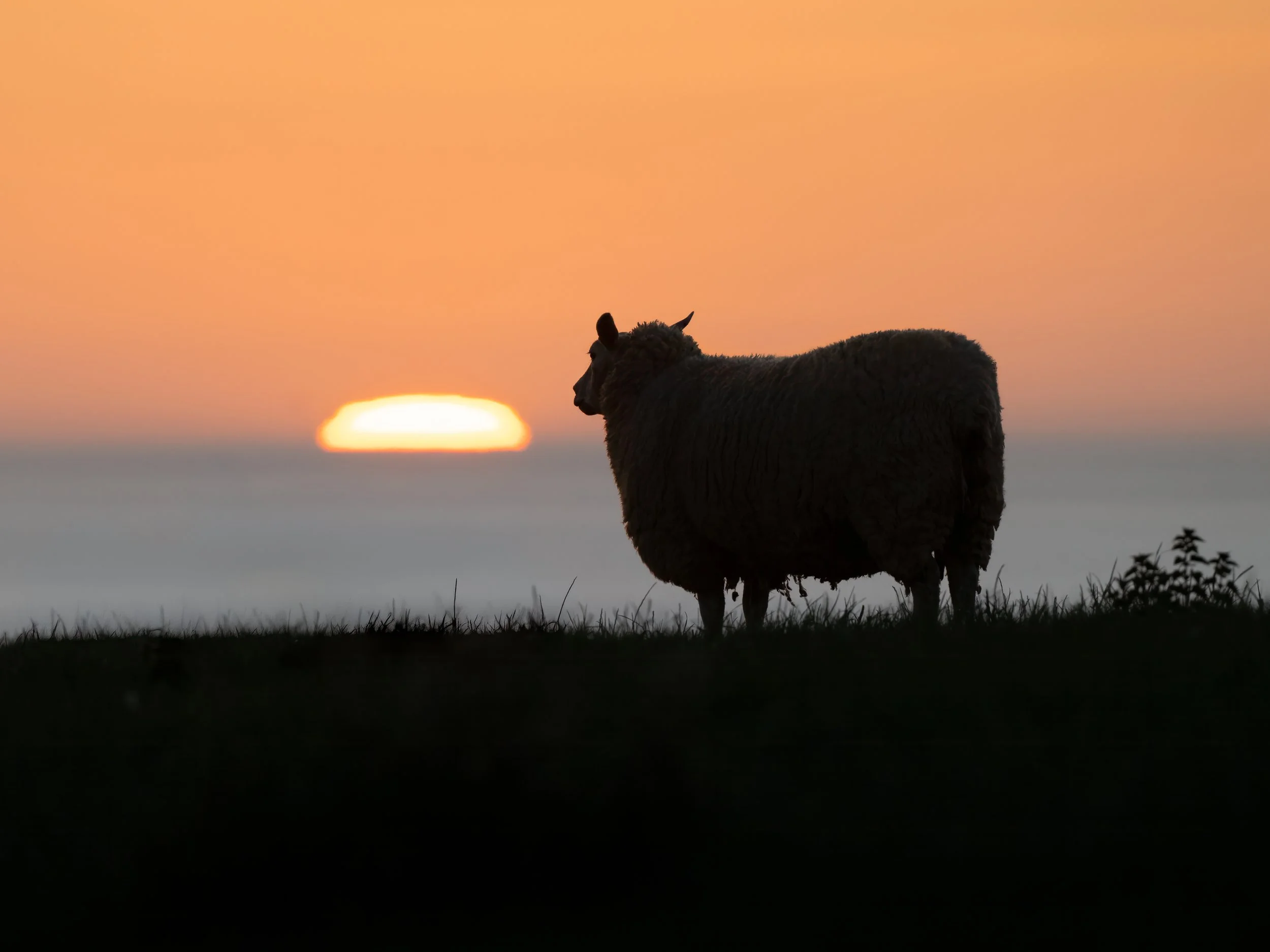
Then there were the sheep.
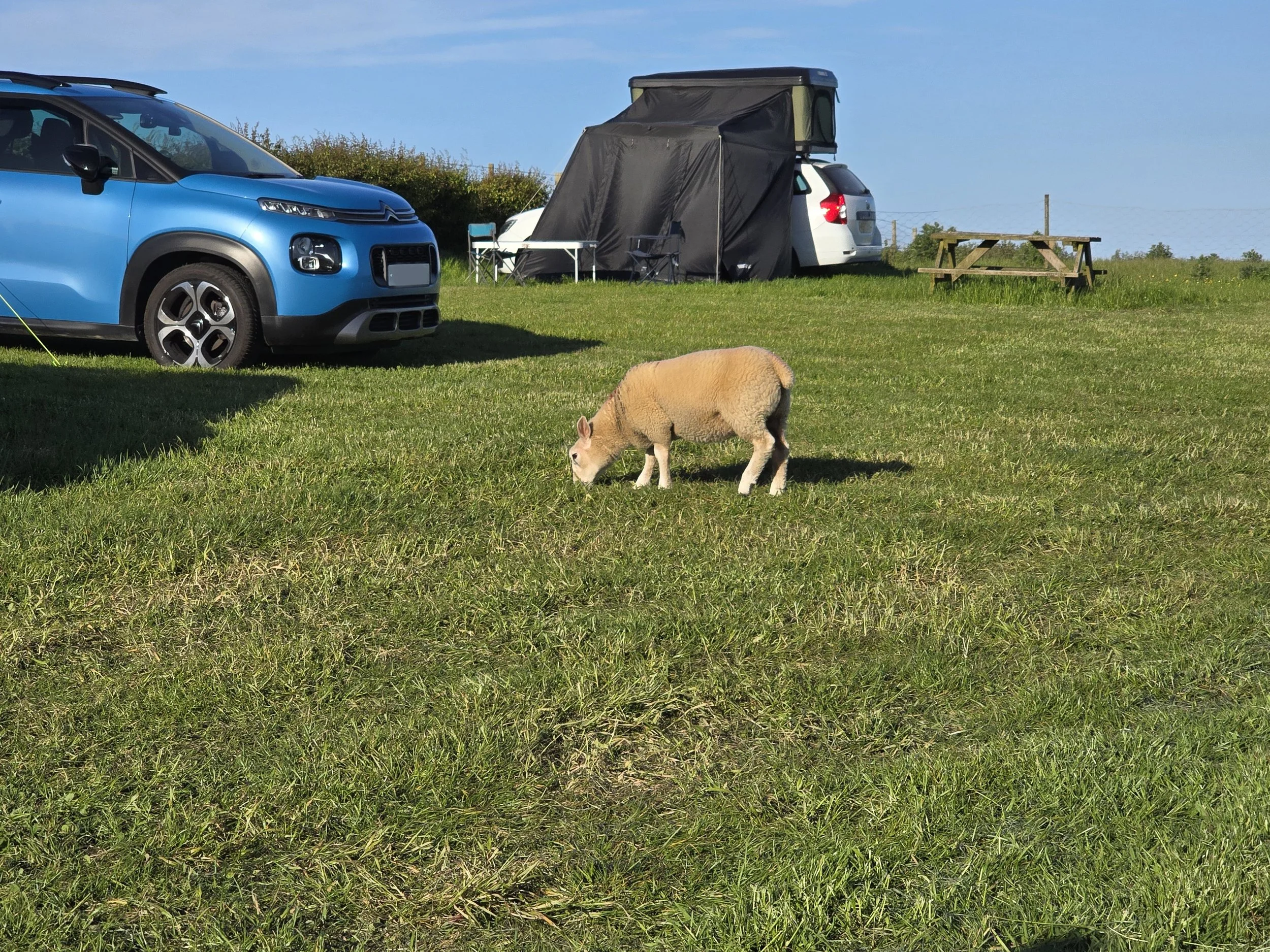
Most were perfectly well behaved. One lamb, however, appeared to view fences as nothing more than a polite suggestion. Throughout our stay she repeatedly escaped into the field where we were camping, apparently convinced she belonged with the humans. Her finest moment came at 11:30pm when she stationed herself outside our tent and began loudly announcing her freedom to the world. So there I was, stumbling out into the darkness, trying to persuade a small woolly criminal back into her own field while wondering how exactly my evening had come to this.
Sleep deprivation aside, the location was perfect.
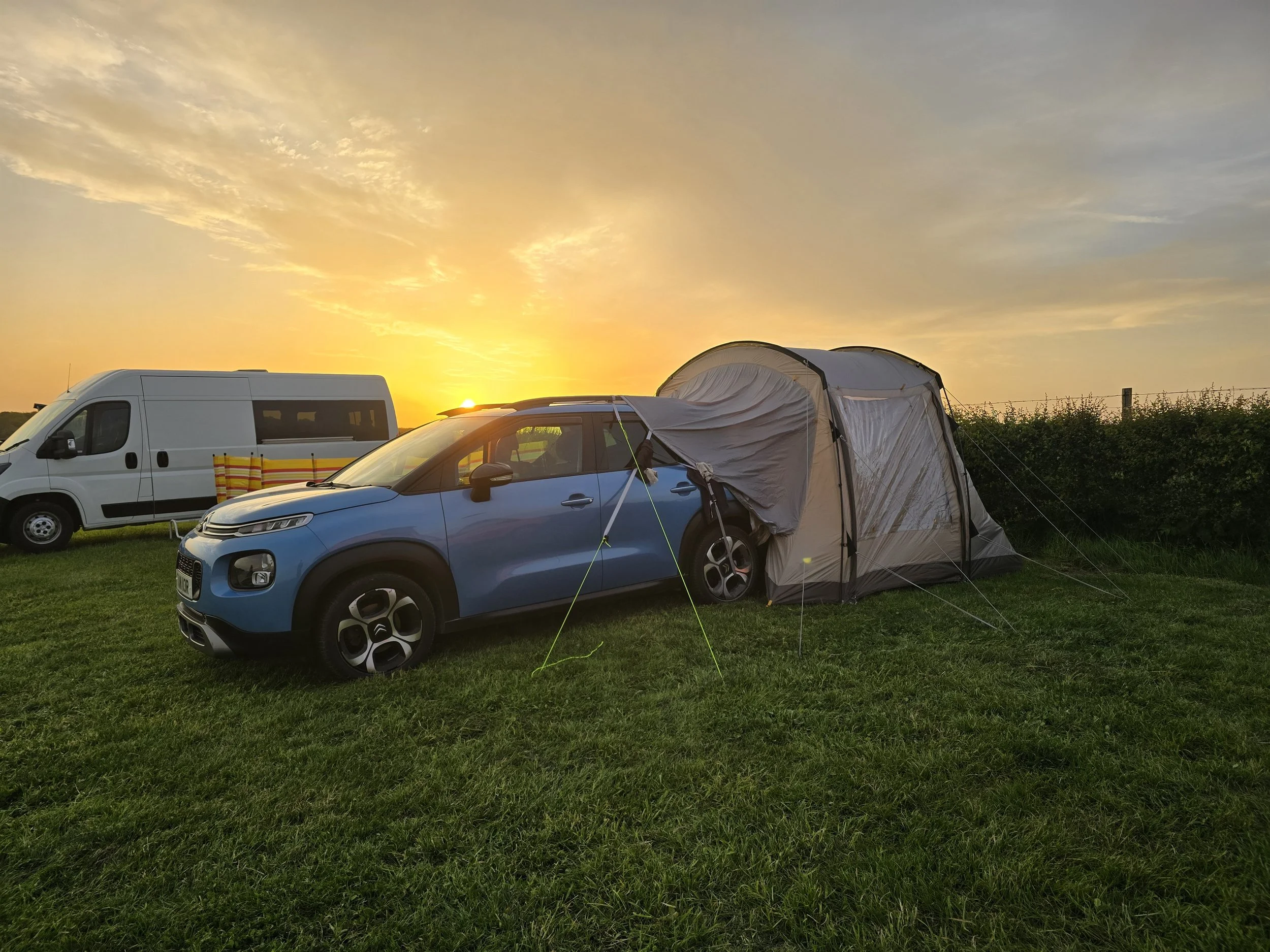
With the cliffs only a ten-minute walk away, we were able to drag ourselves out of our sleeping bags at 3:30am and head straight out for sunrise. Watching the first light spread across the chalk cliffs with barely another person around was worth every yawn.
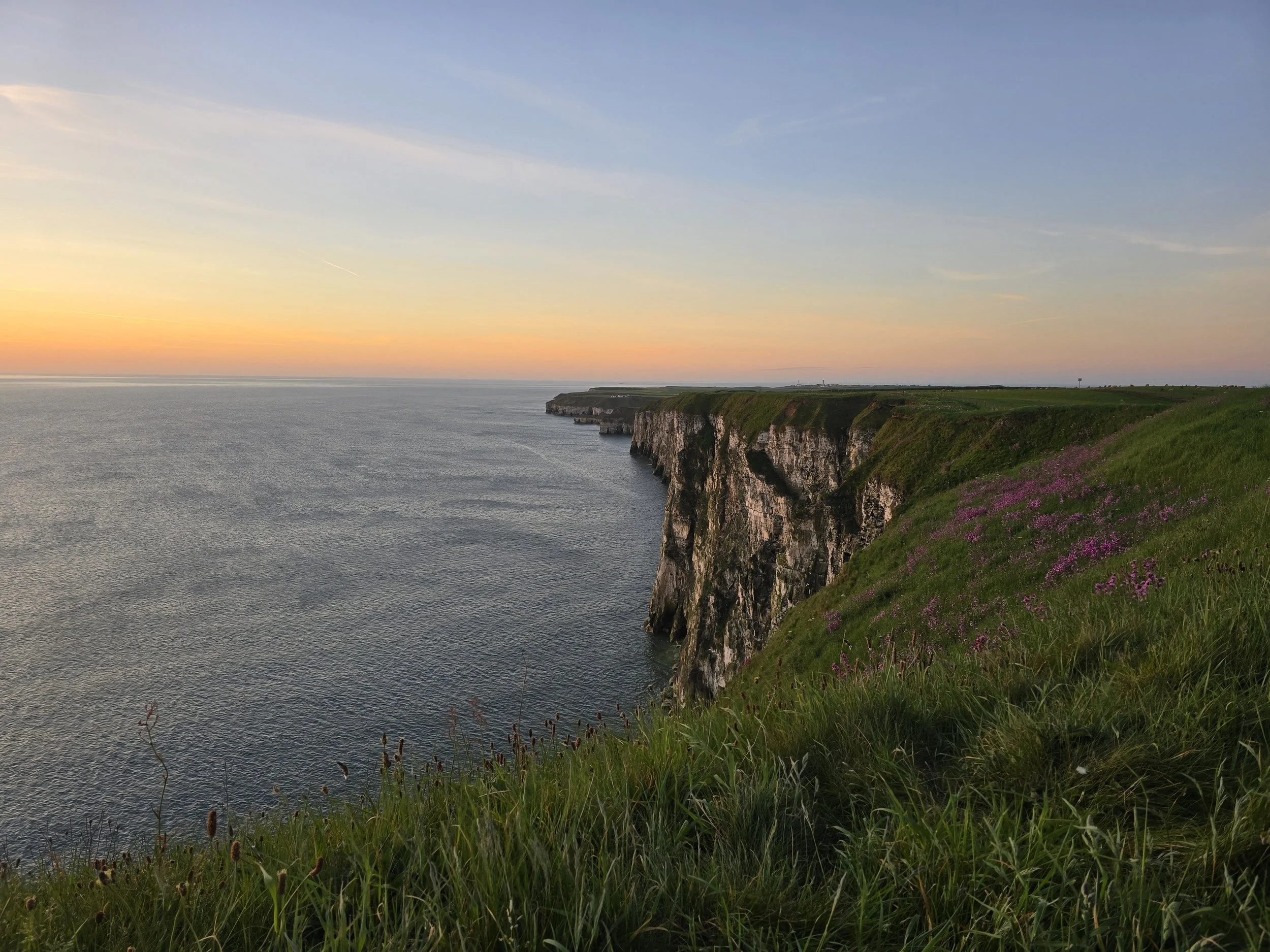
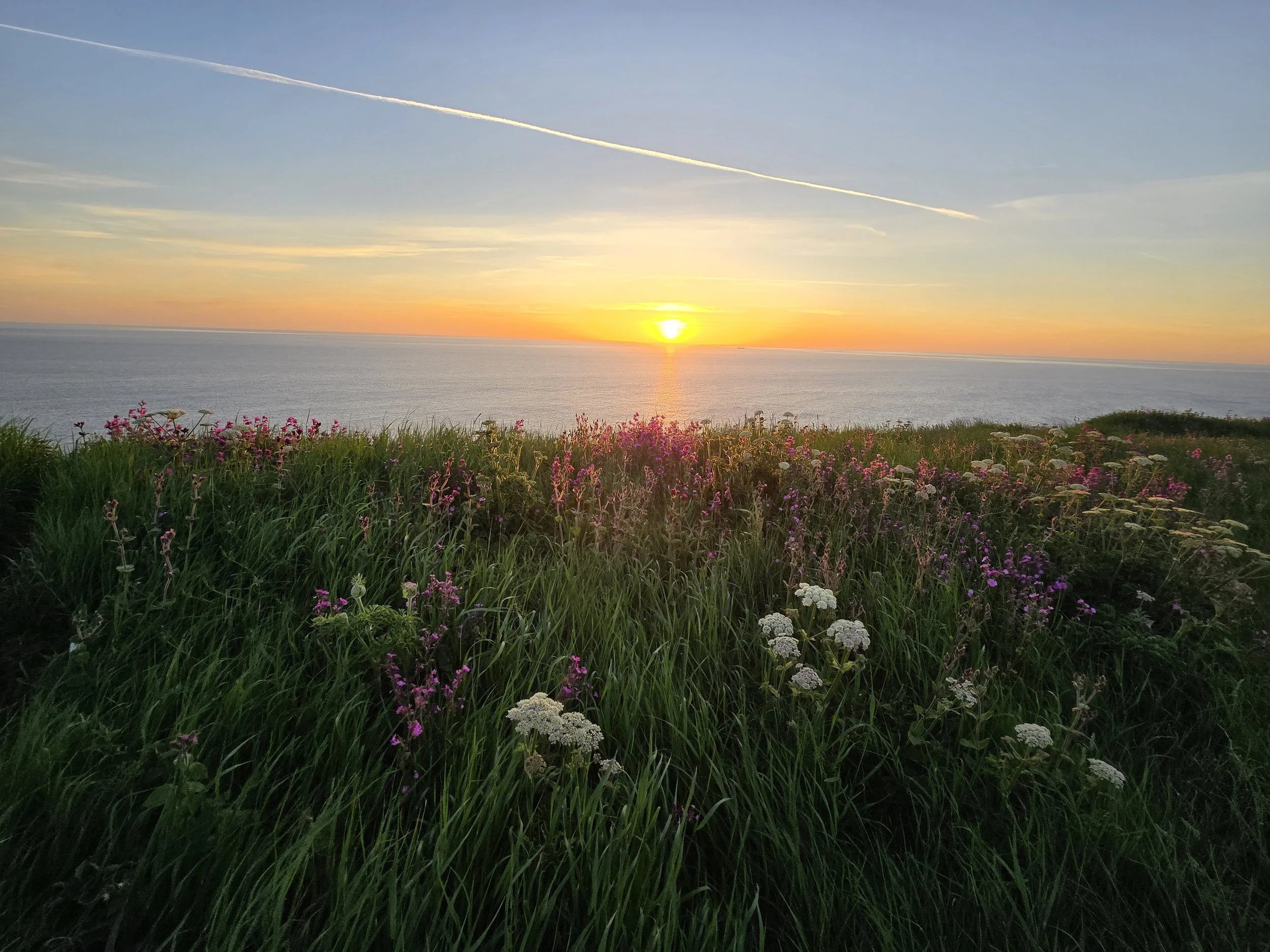
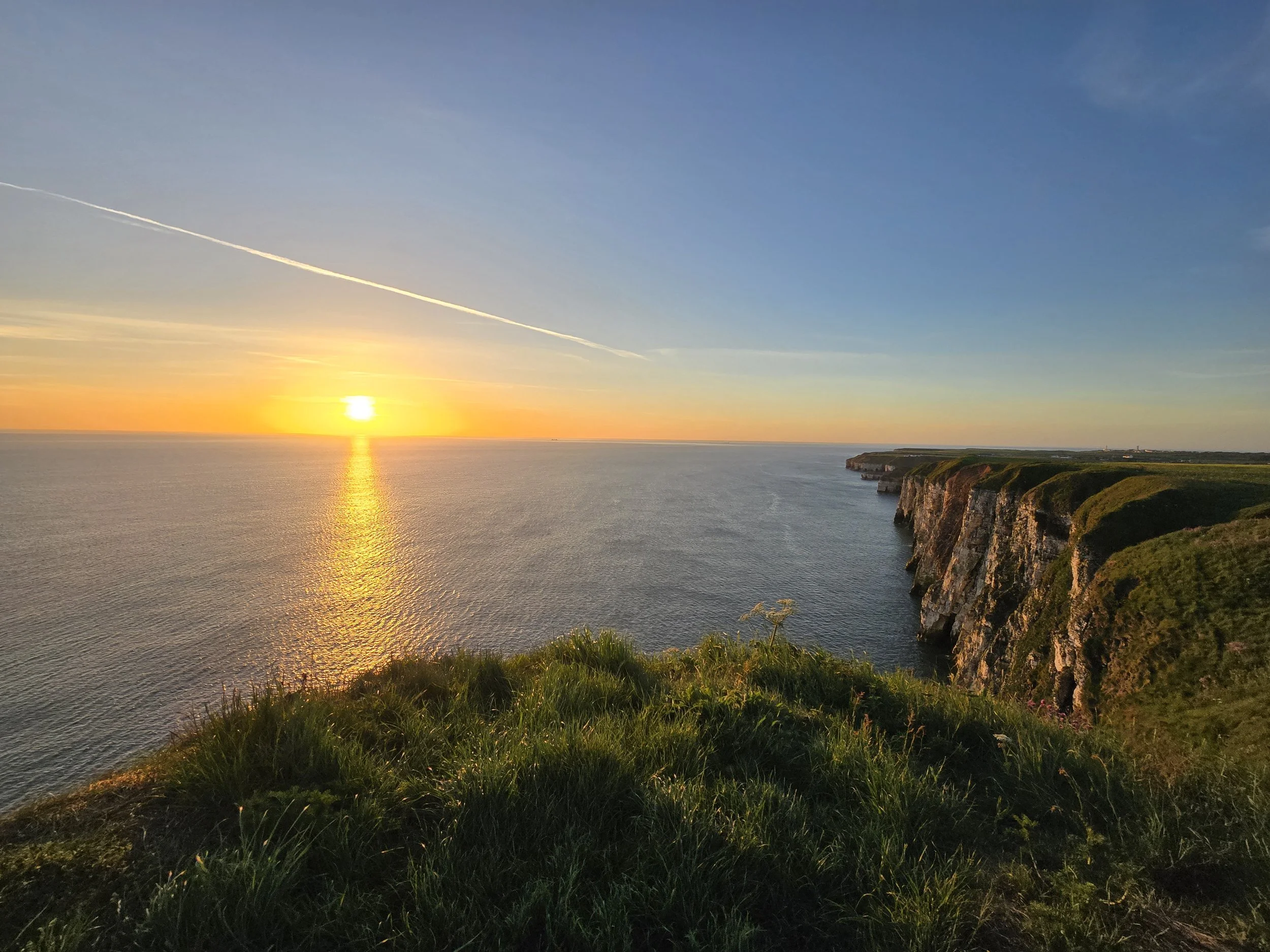
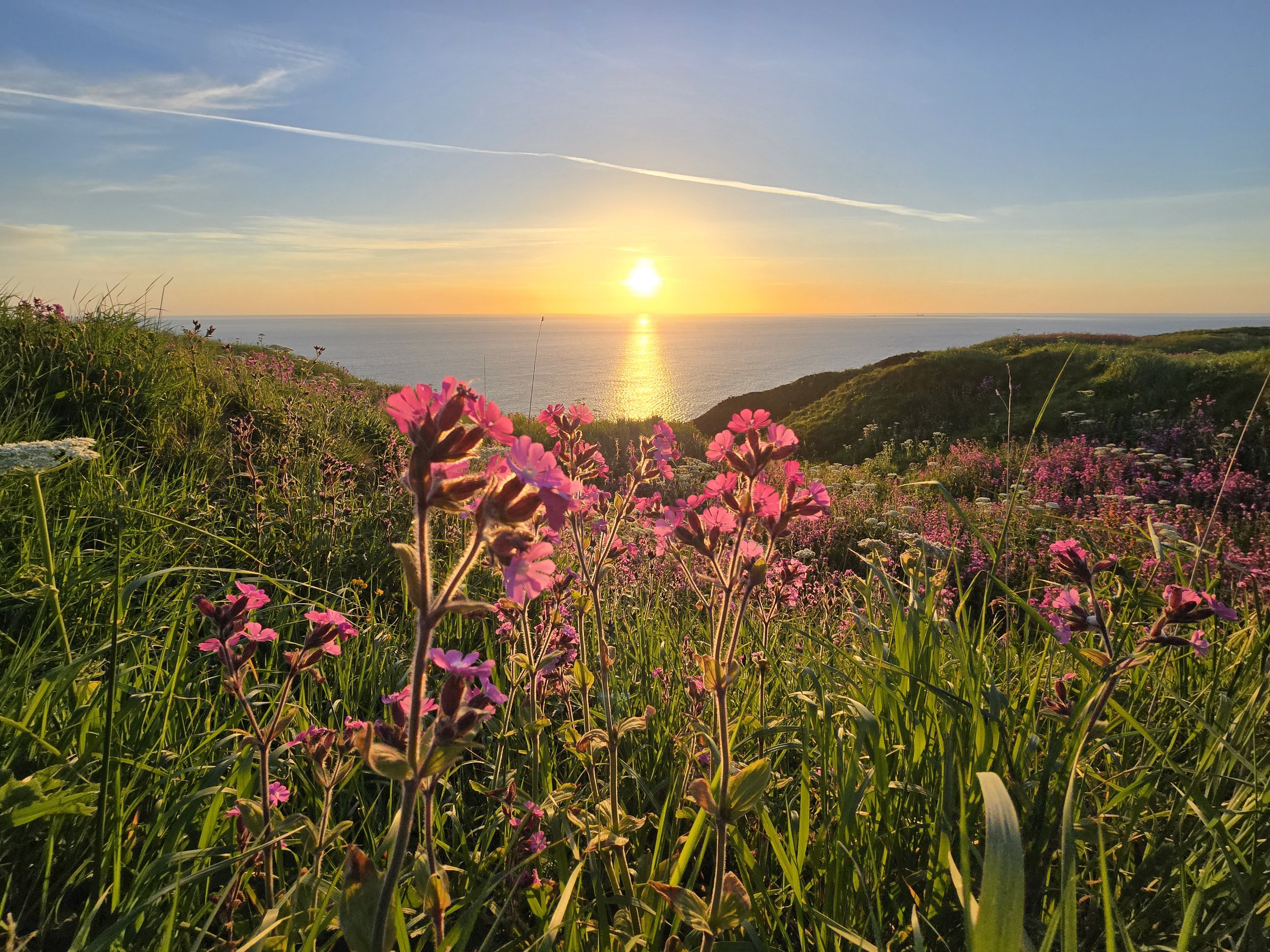
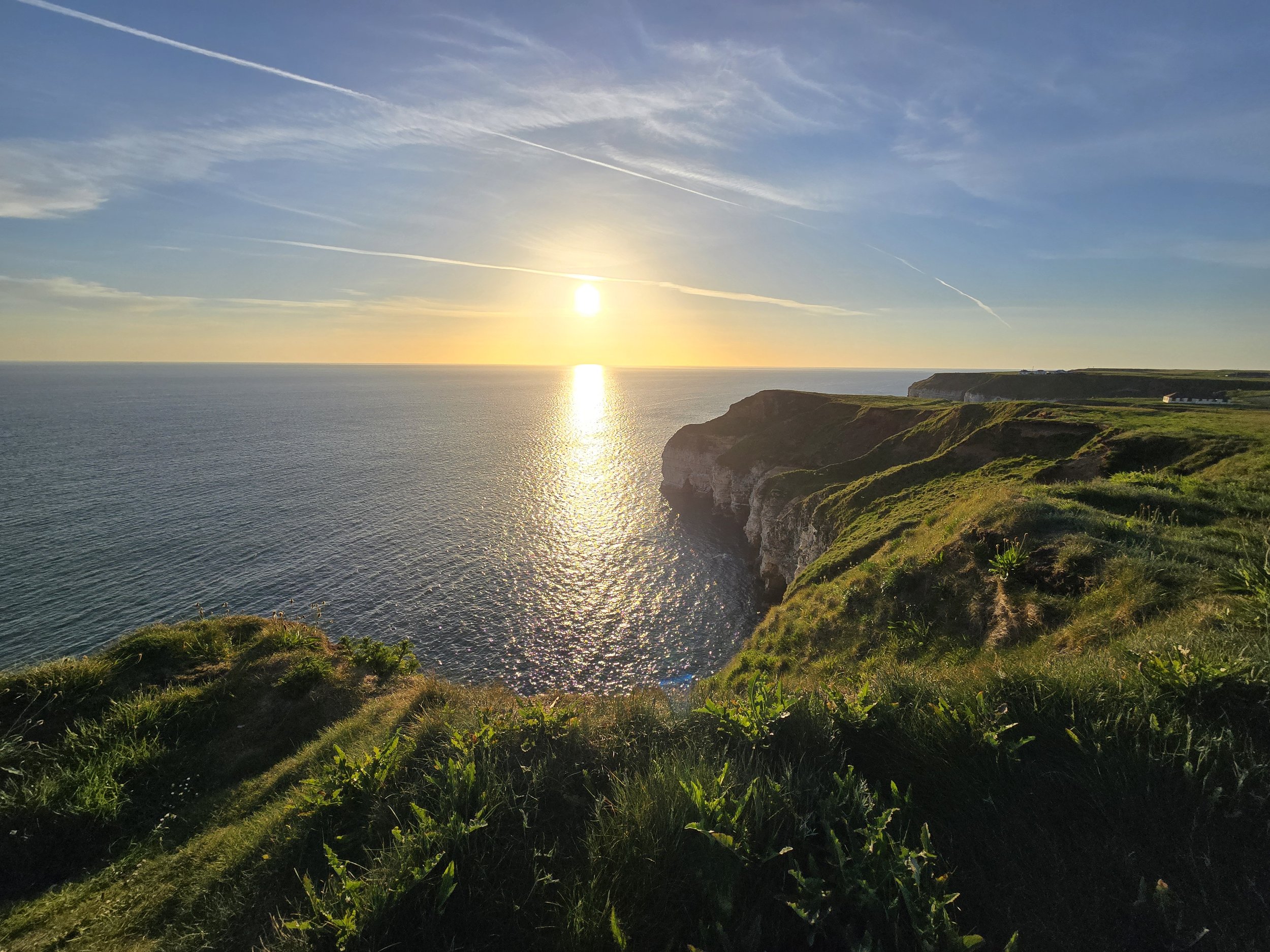
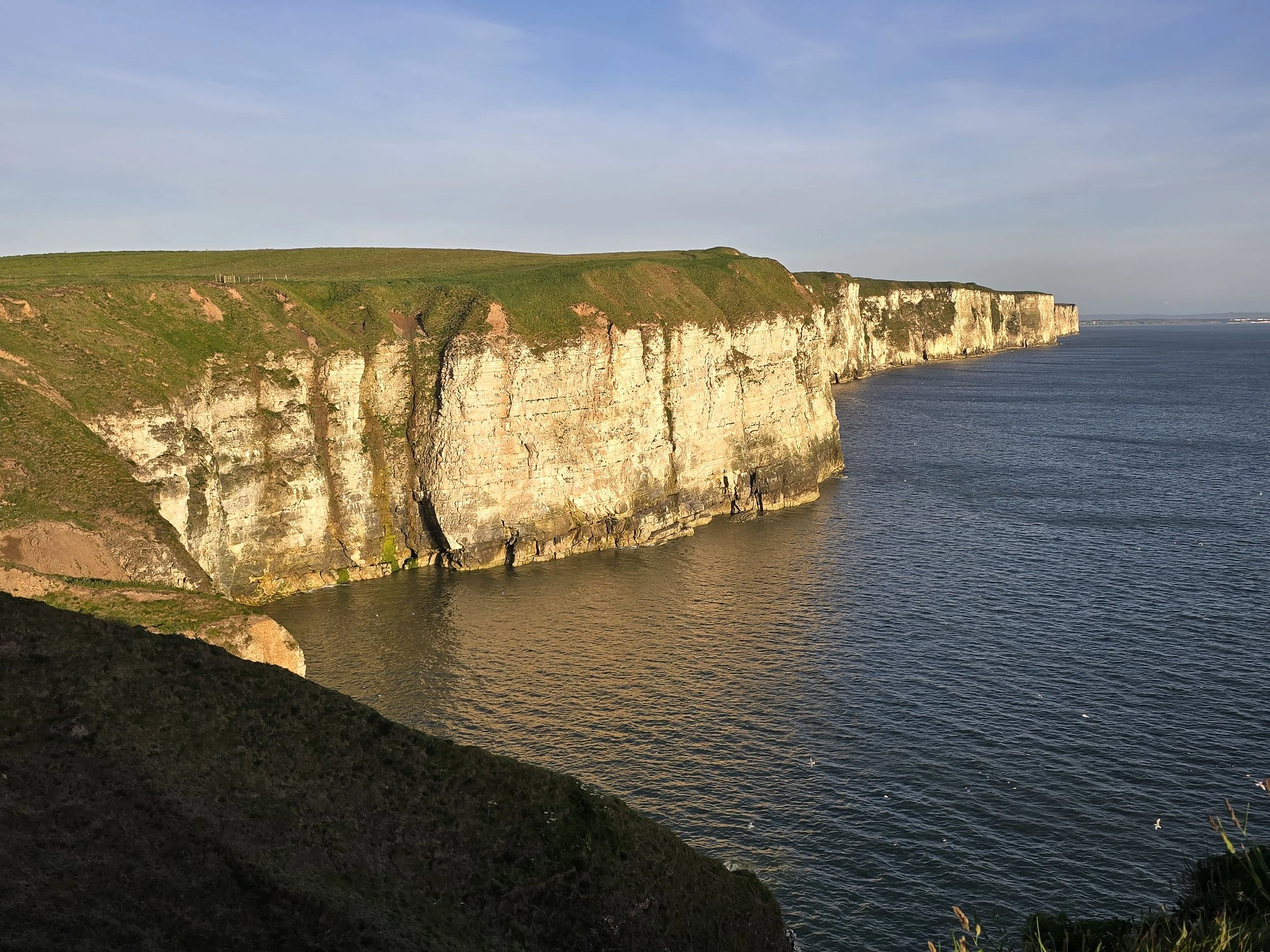
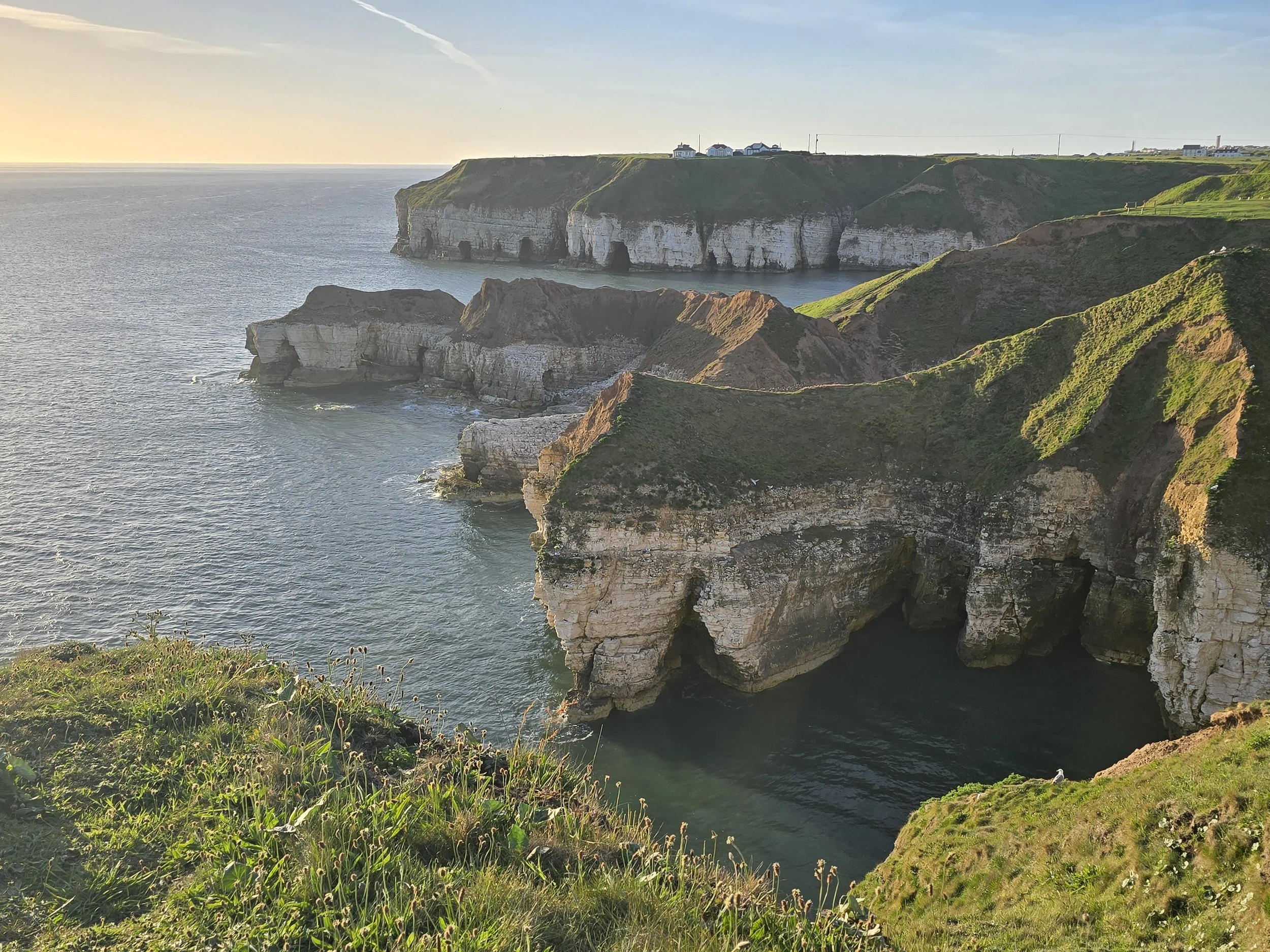
Over the next few days we walked between 12 and 15 miles along the cliff tops, and somehow every bend in the path revealed another breathtaking view.
Towards the RSPB reserve, the cliffs seemed to be made entirely of birds. Hundreds of thousands of seabirds covered every available ledge, turning the white chalk faces into a living, moving mosaic.
The viewing platforms were understandably busy, with visitors gathering to watch one of the UK's greatest wildlife spectacles.
Head the other way towards Flamborough, however, and everything changes. The crowds melt away, leaving dramatic coastal scenery, endless sea views and a peacefulness that makes you want to stop every few minutes just to take it all in. We often found ourselves completely alone apart from the occasional local walker.
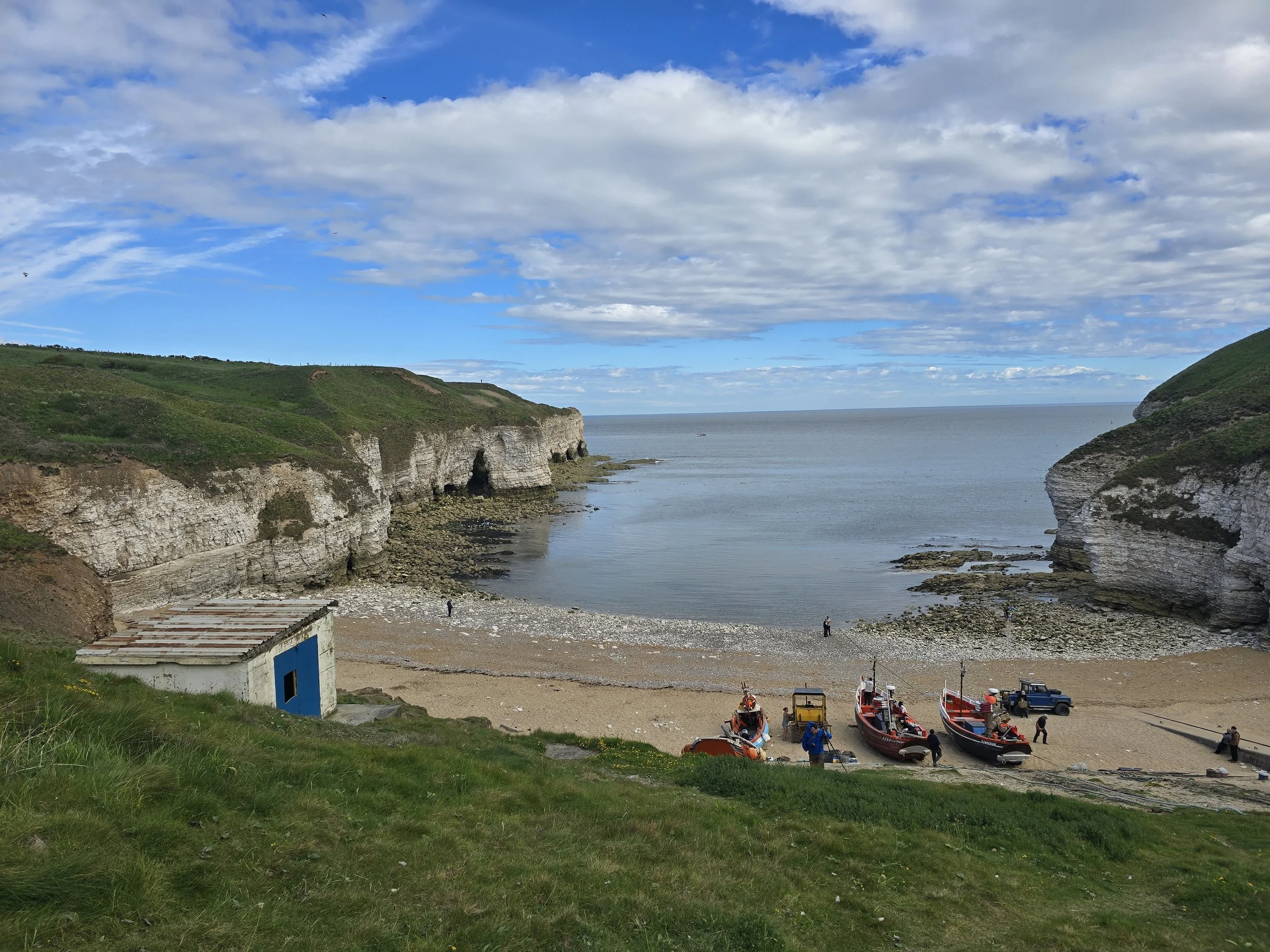
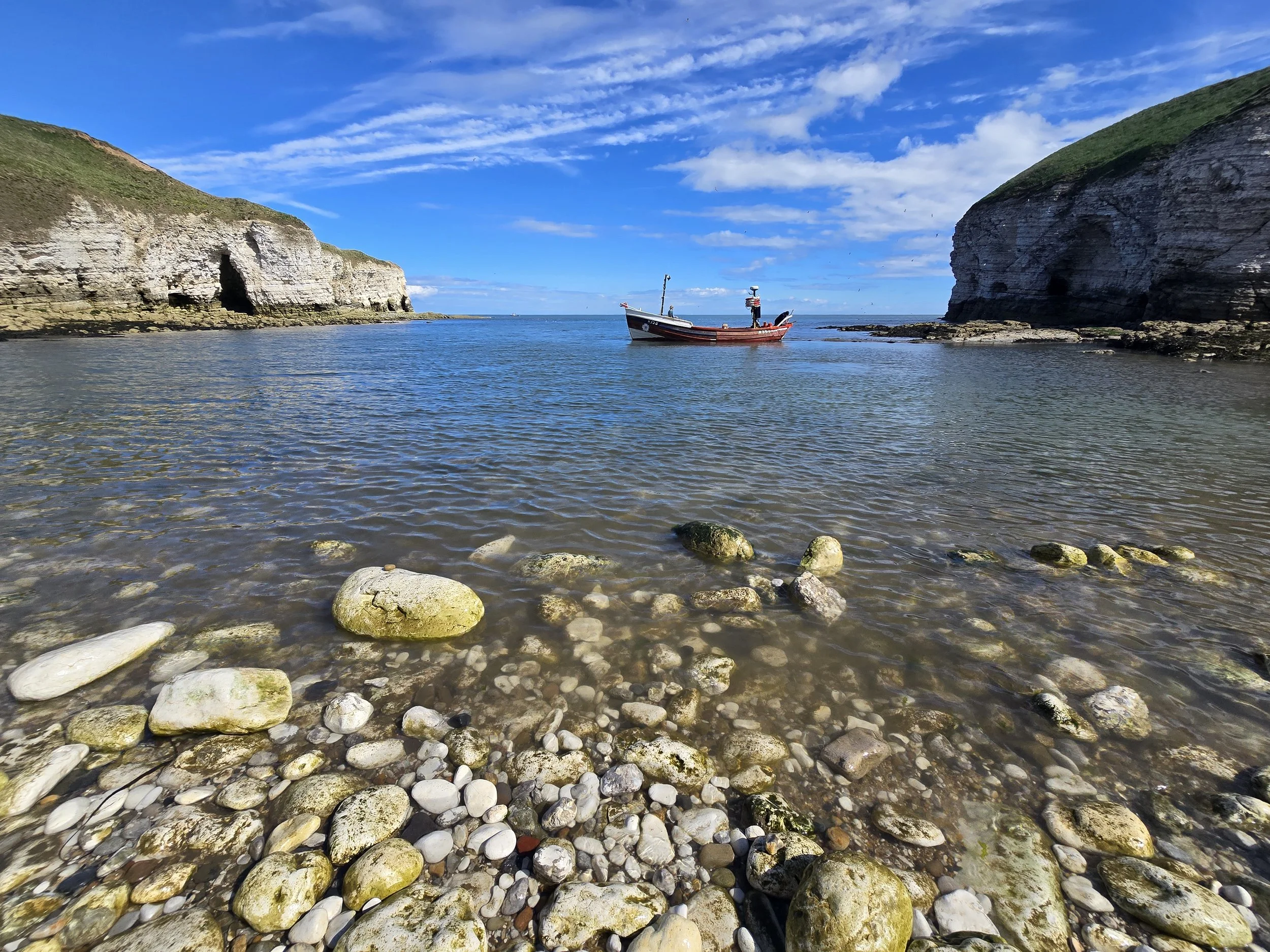
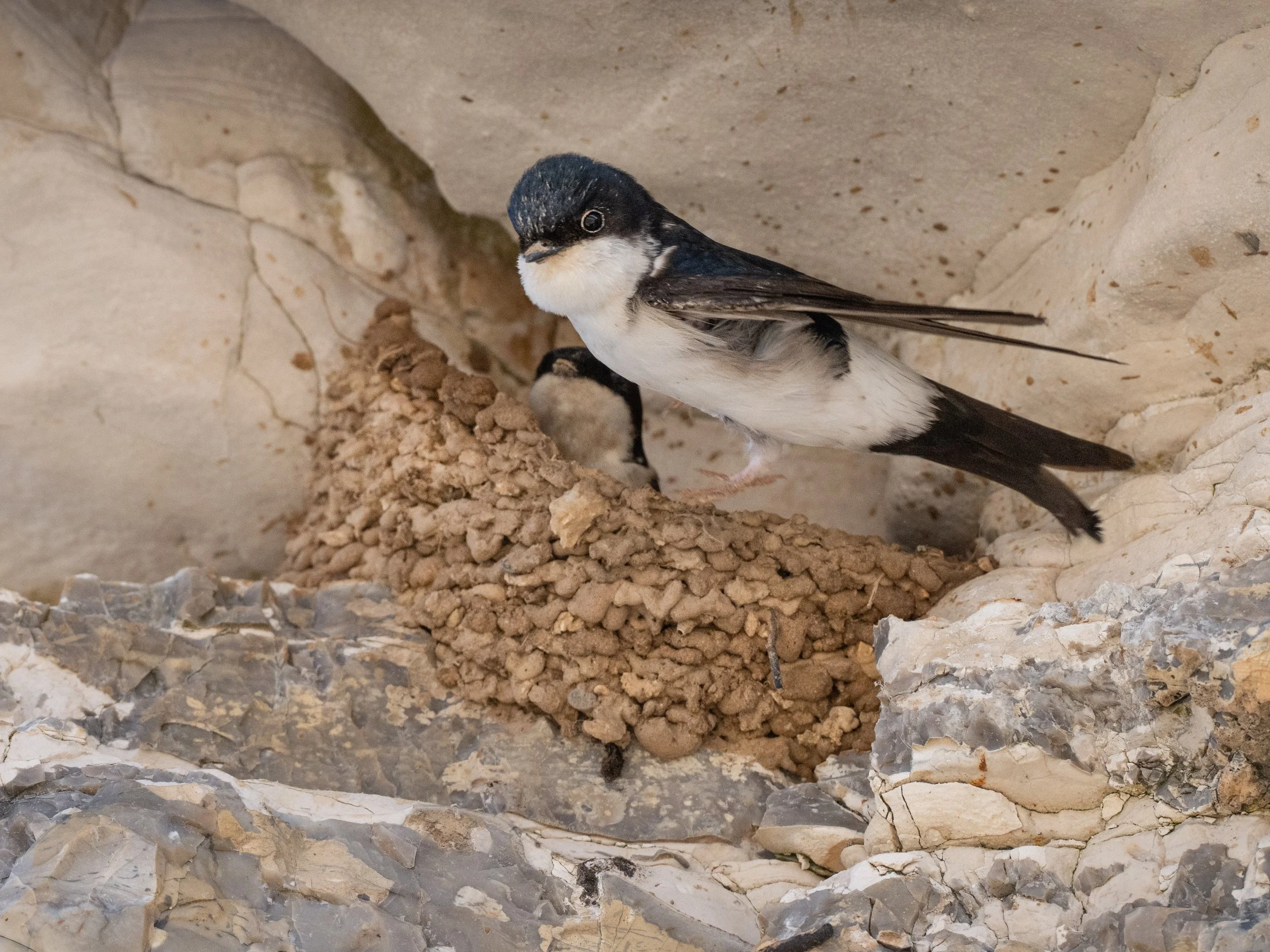
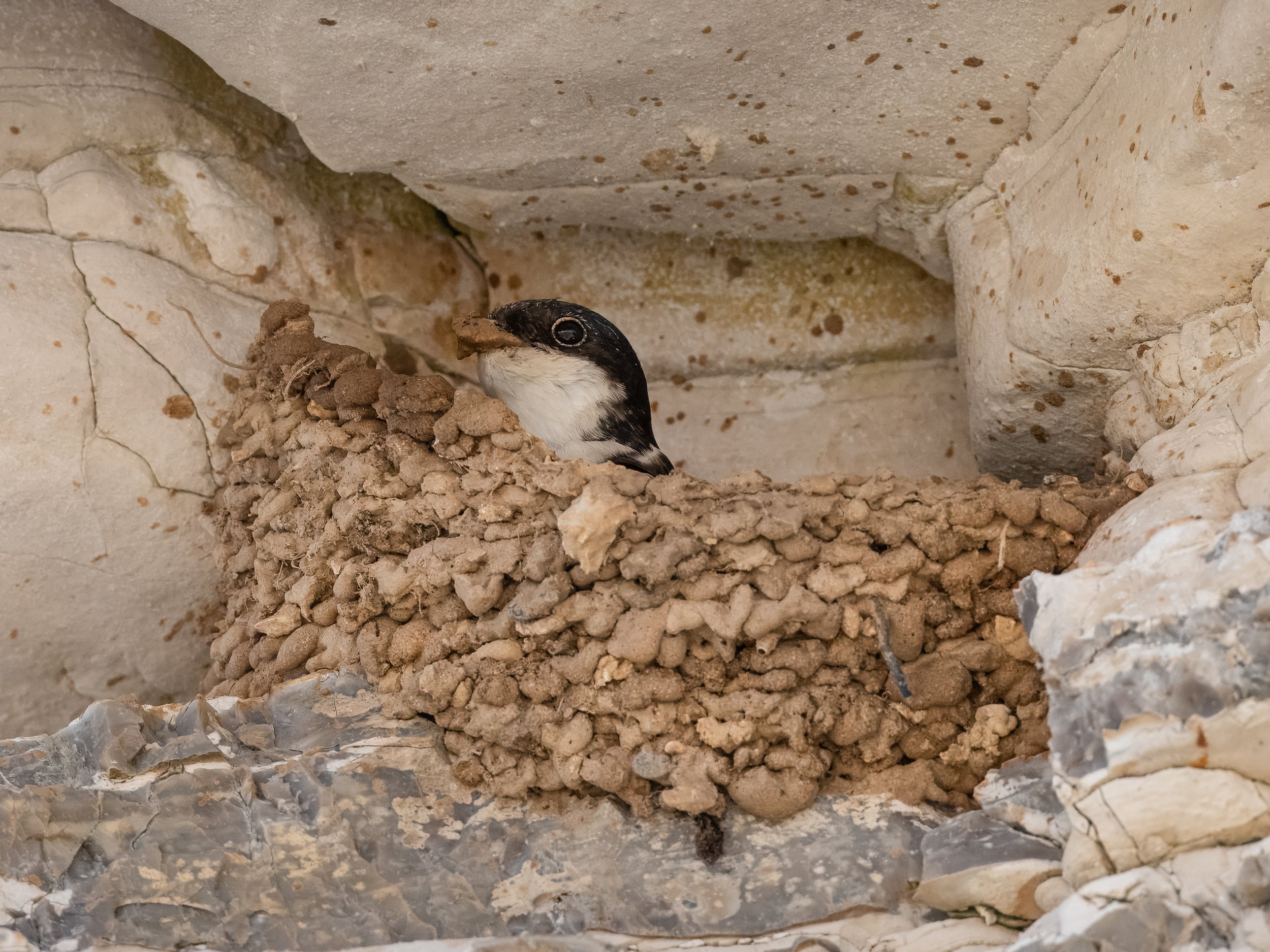
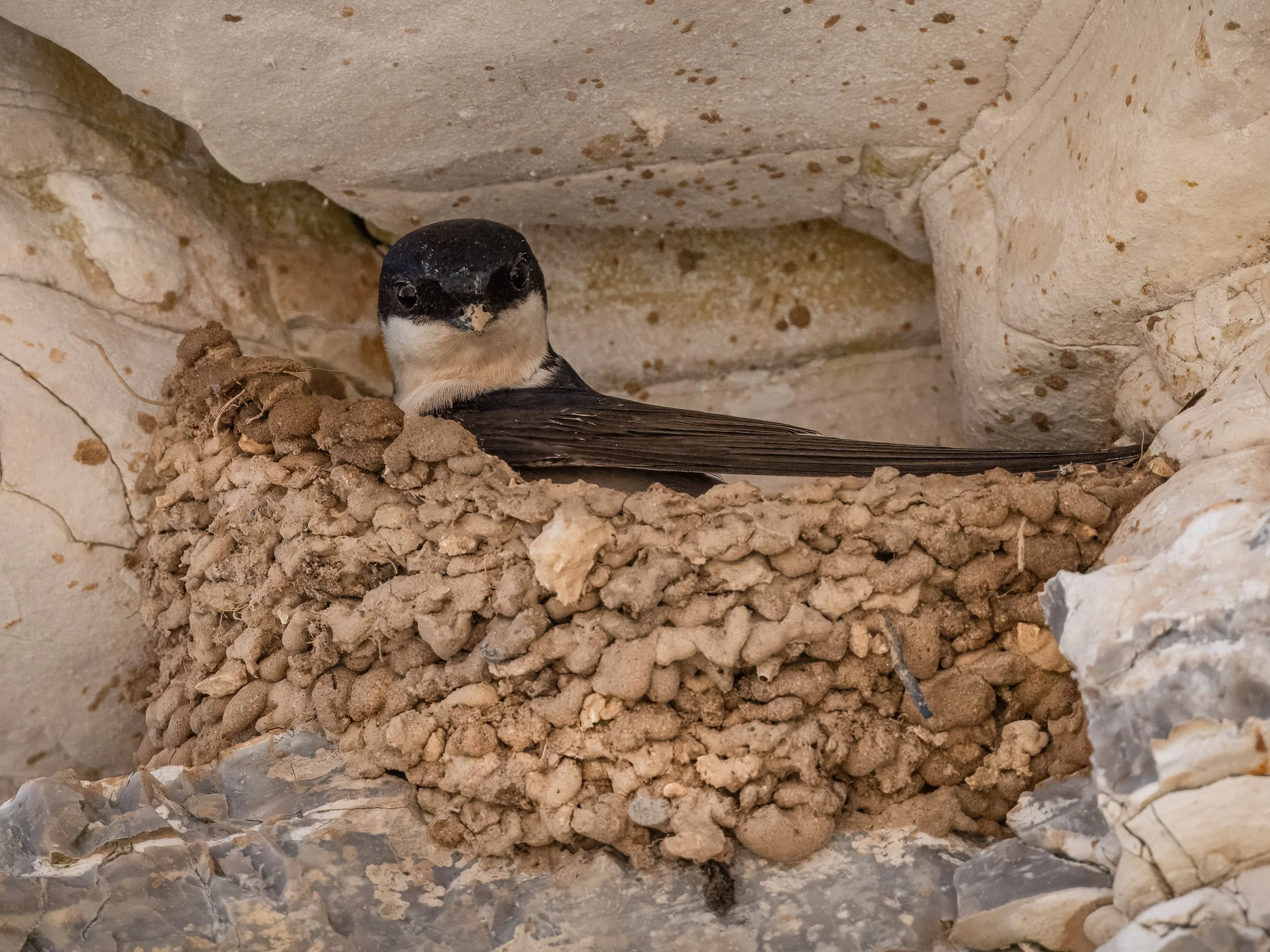
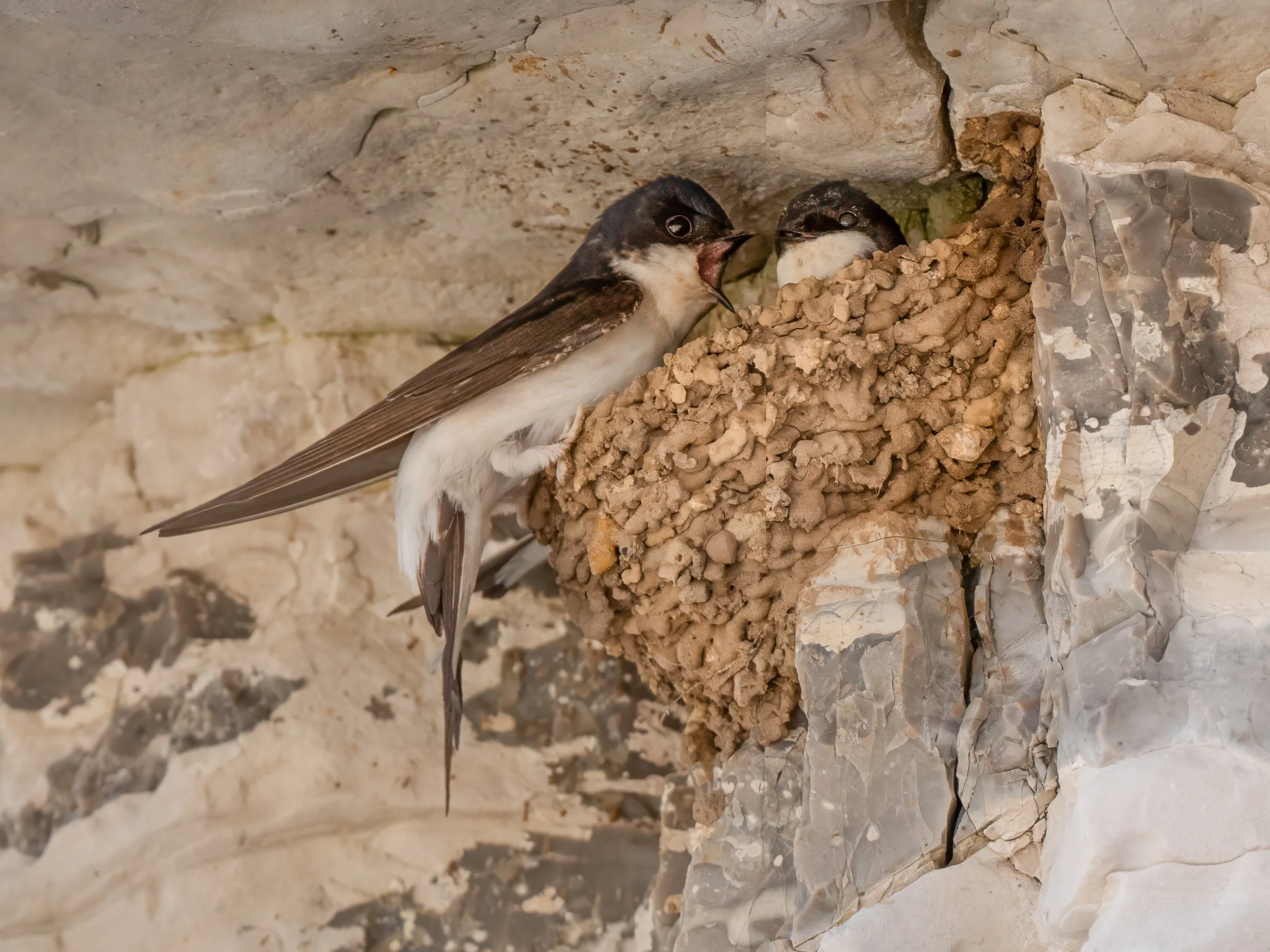
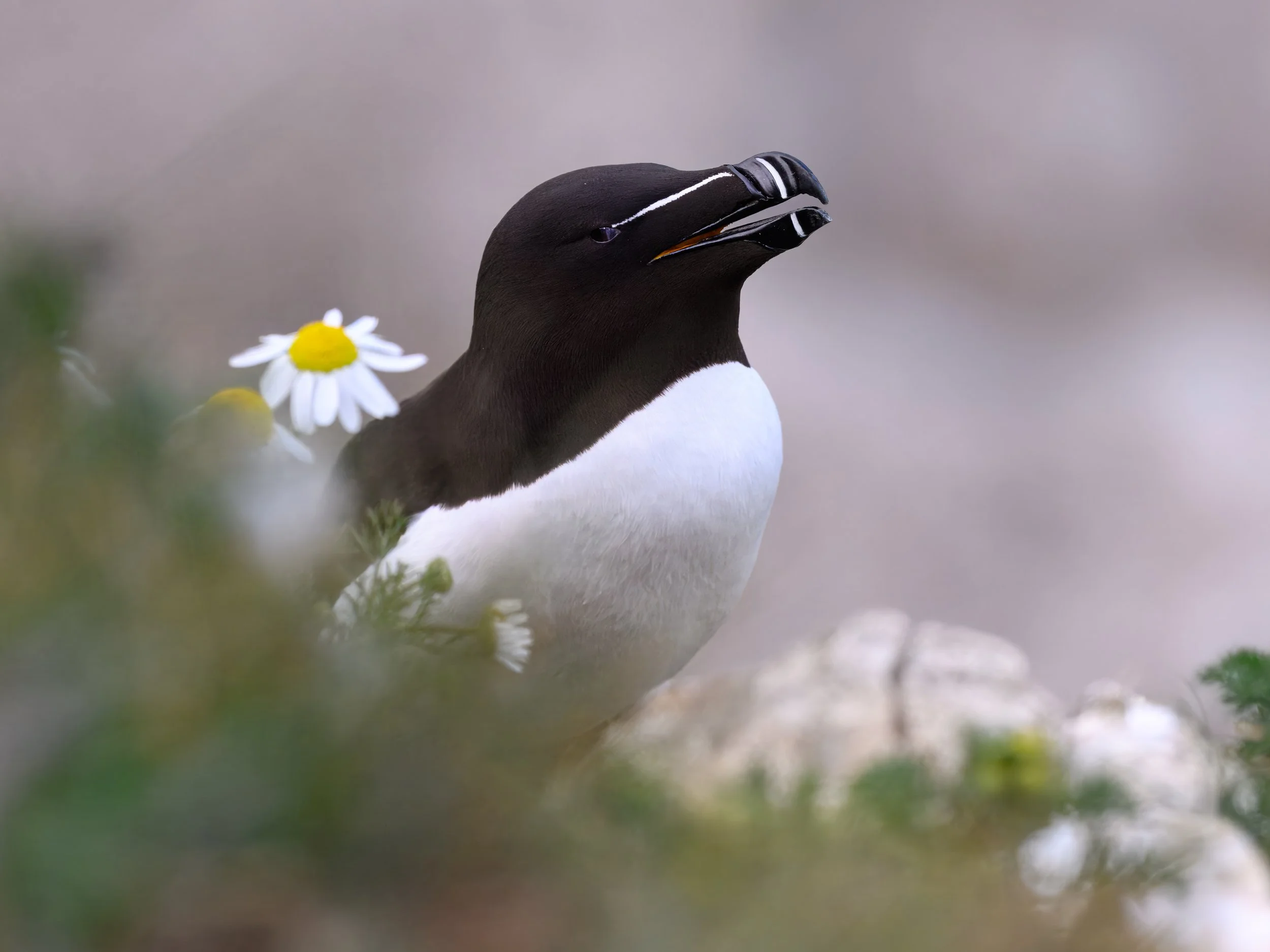
North Landing was a particular favourite. Razorbills and Guillemots whizzed back and forth beneath the towering cliffs, while House Martins busily carried nesting material to tiny nests tucked into cracks in the chalk.
And then there were the seabird colonies.
Nothing quite prepares you for the sheer scale of them.
The cliffs were packed with birds building nests, finding partners, incubating eggs and feeding newly hatched chicks. The noise was constant. Thousands upon thousands of calls echoed from every direction. It felt chaotic, noisy and slightly overwhelming, yet somehow everything worked. Each bird seemed to know exactly where it belonged amongst the organised madness.
Of course, the stars of the show for me were the Northern Gannets.
I'd been looking forward to seeing them for months, and they didn't disappoint. Watching these elegant birds glide effortlessly along the cliff edge was mesmerising. One moment they were soaring past at eye level, the next they were banking gracefully over the waves below. I could have spent the entire trip watching them.
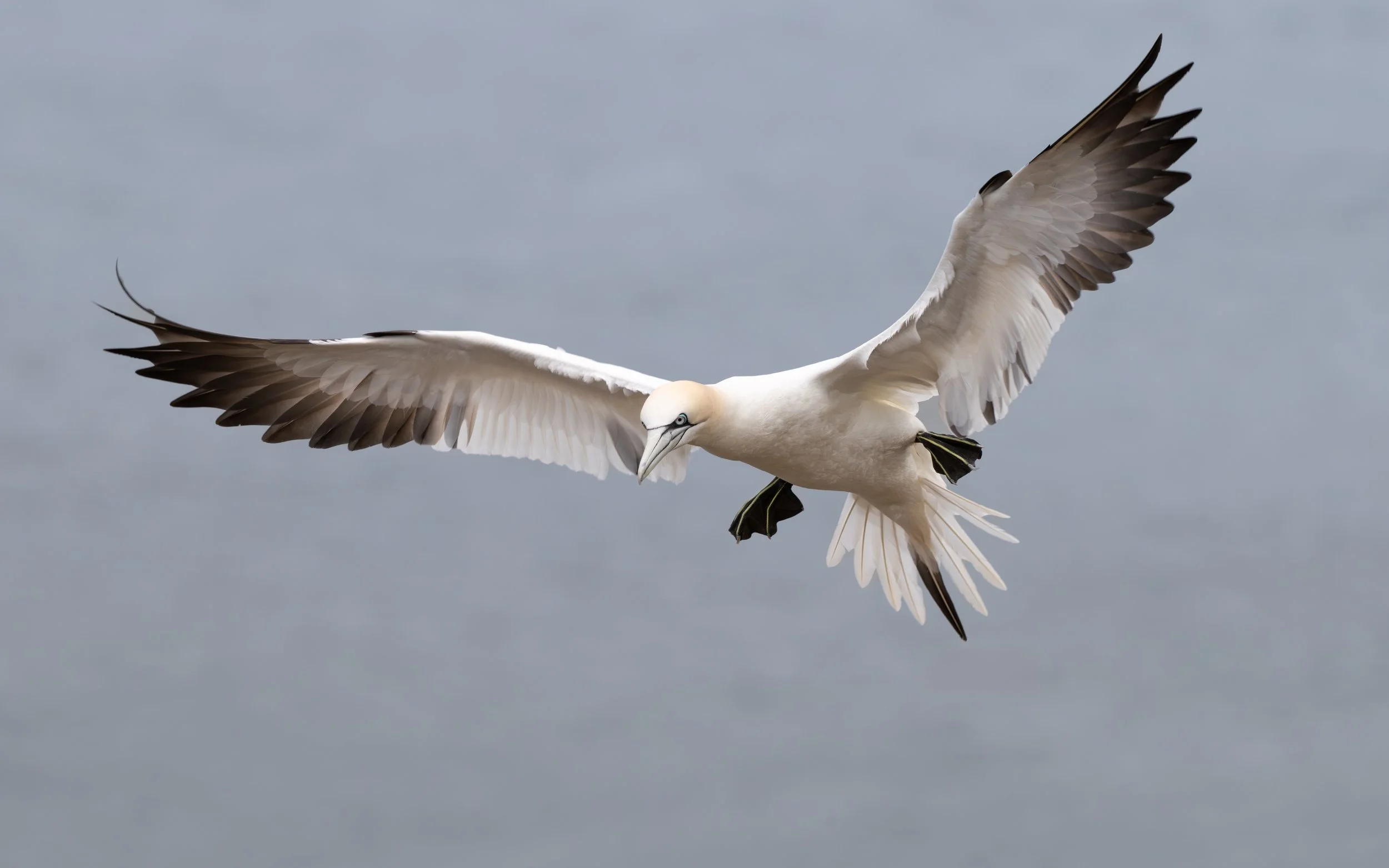
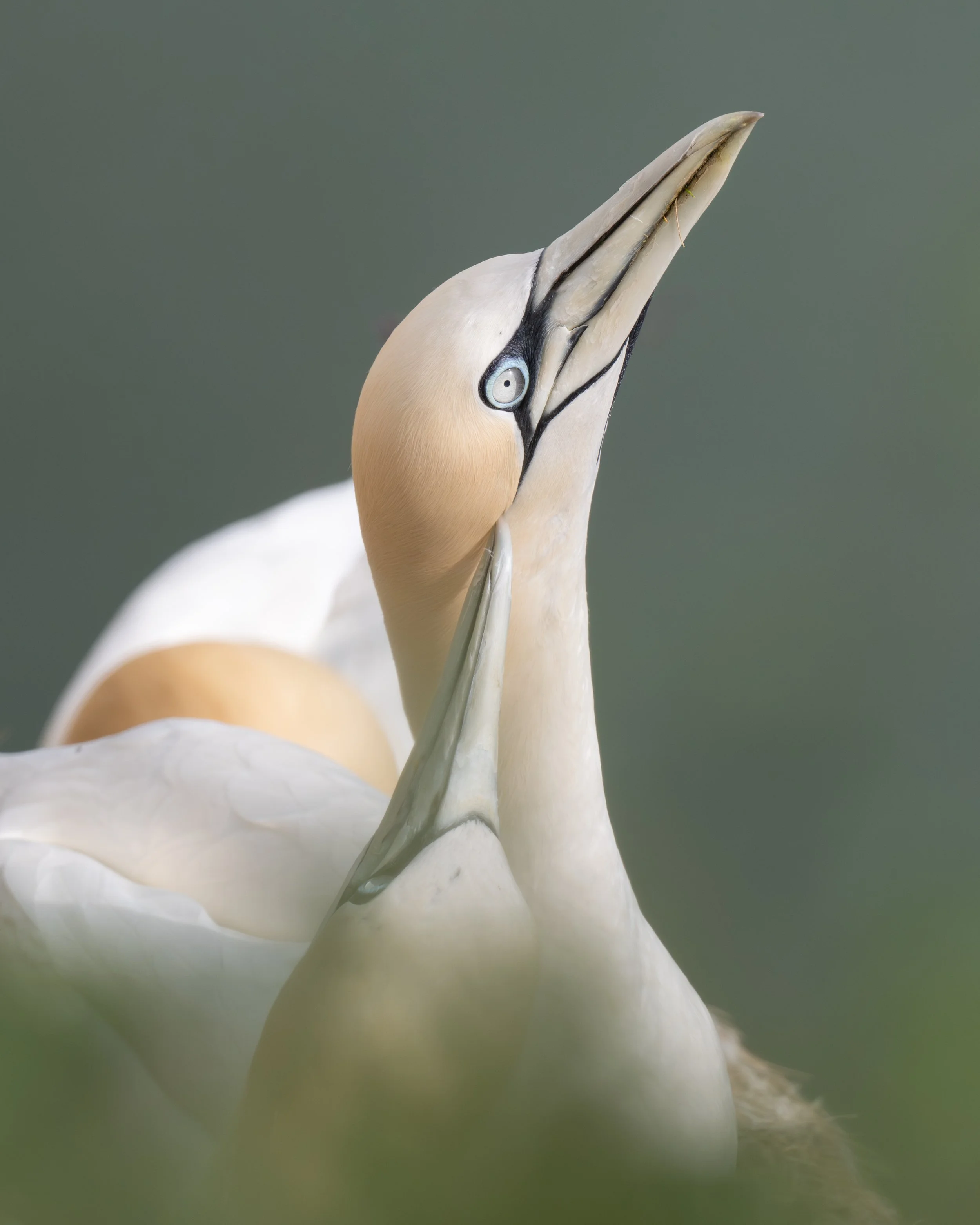
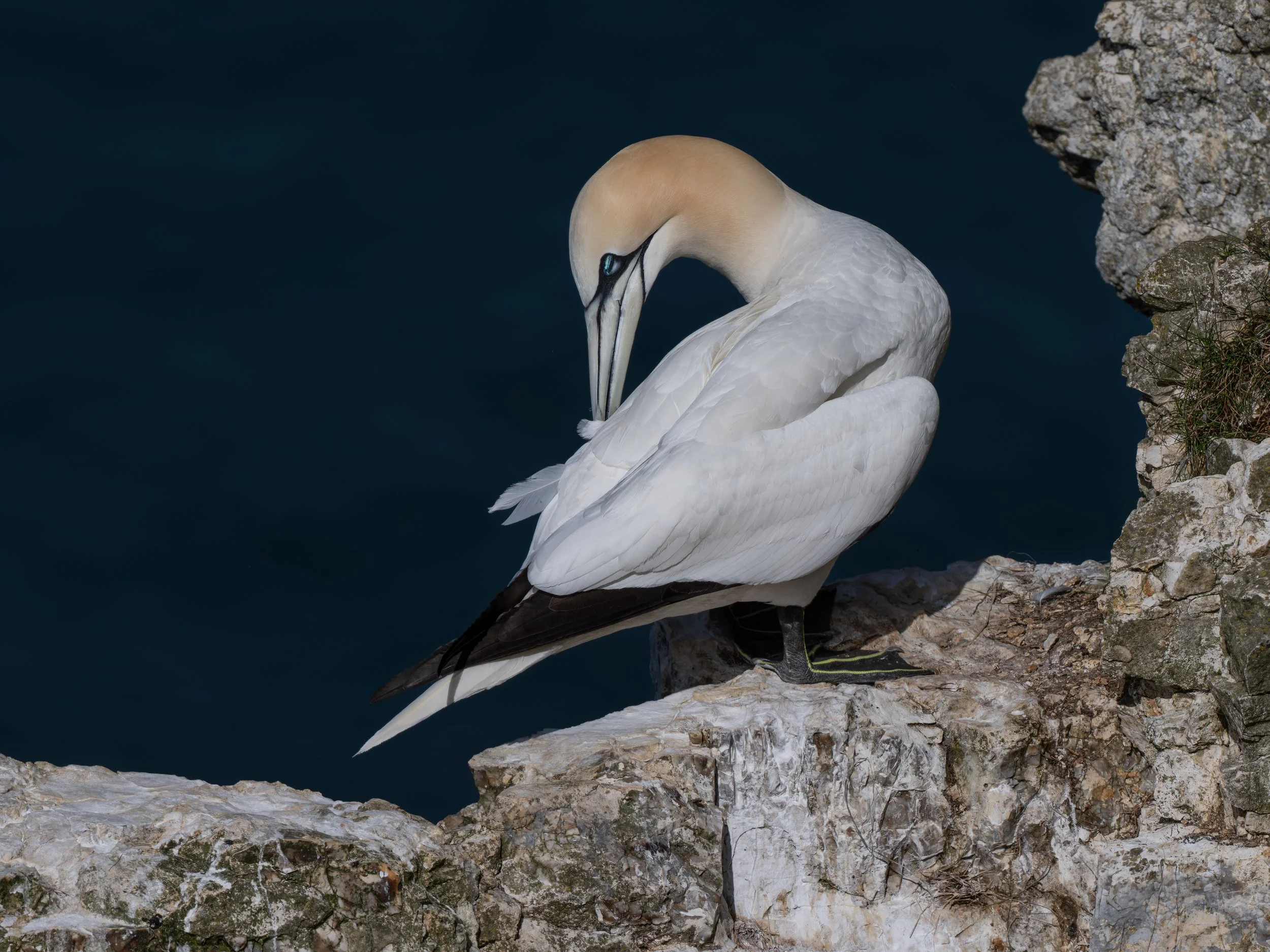
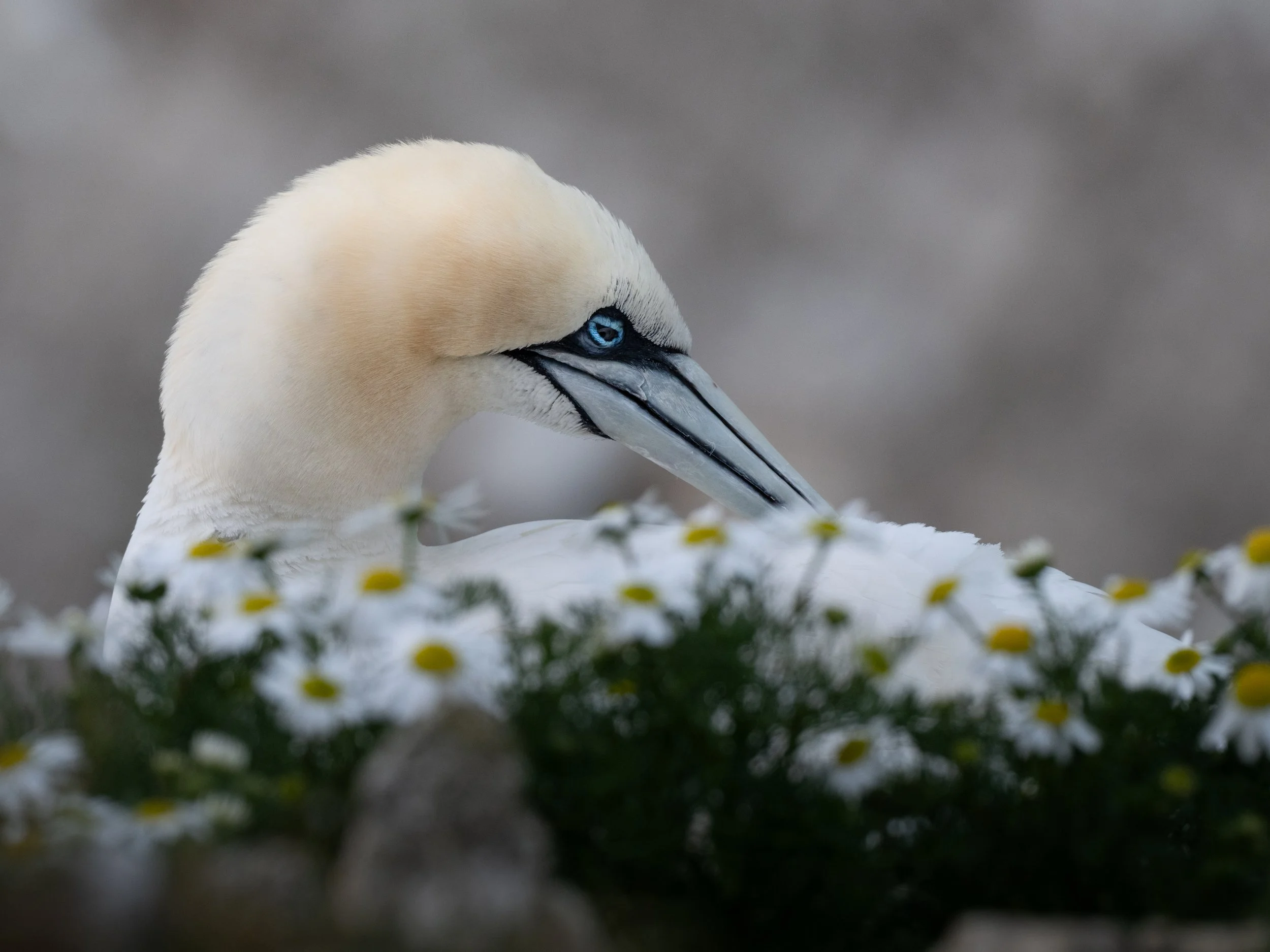
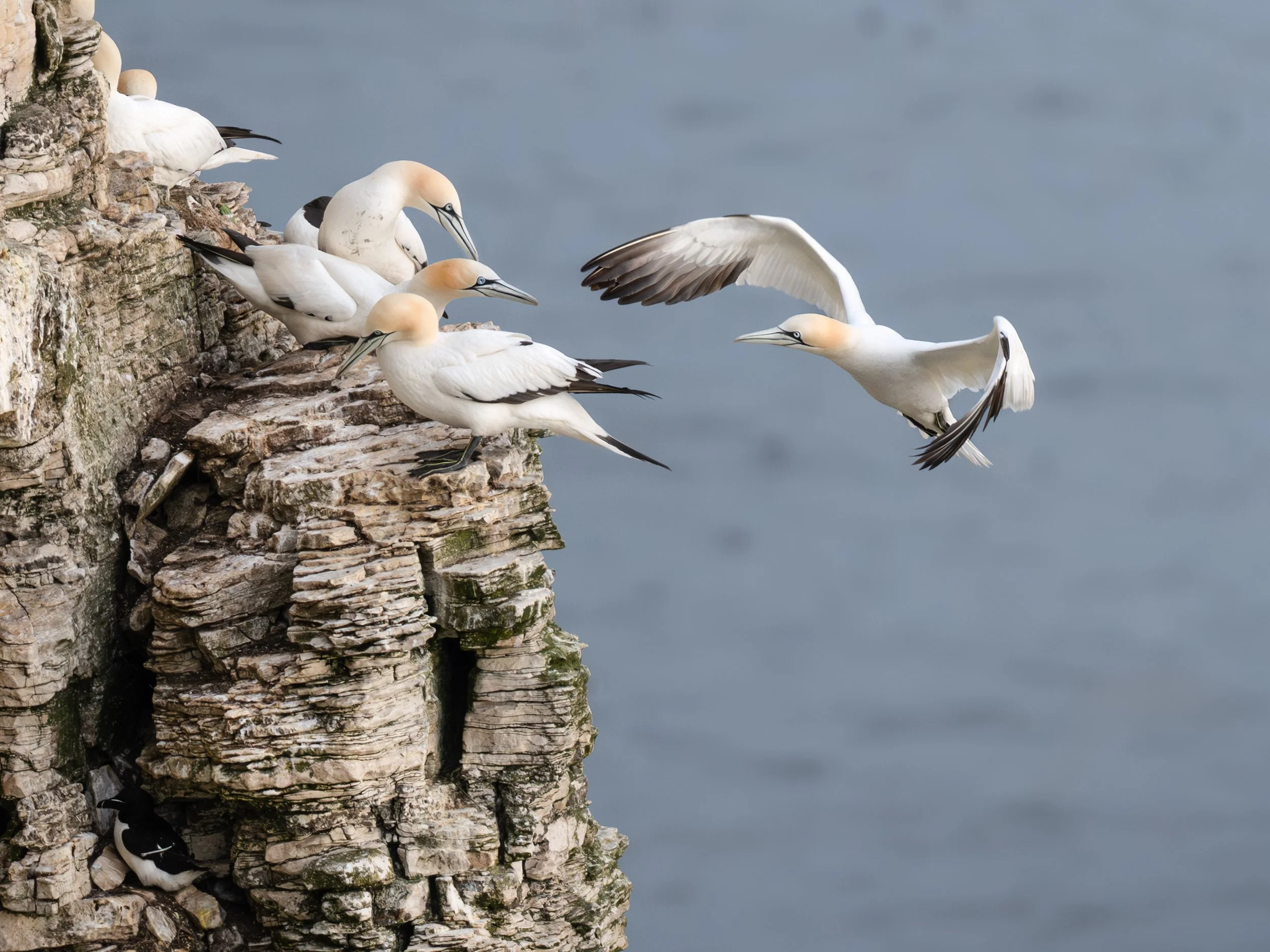
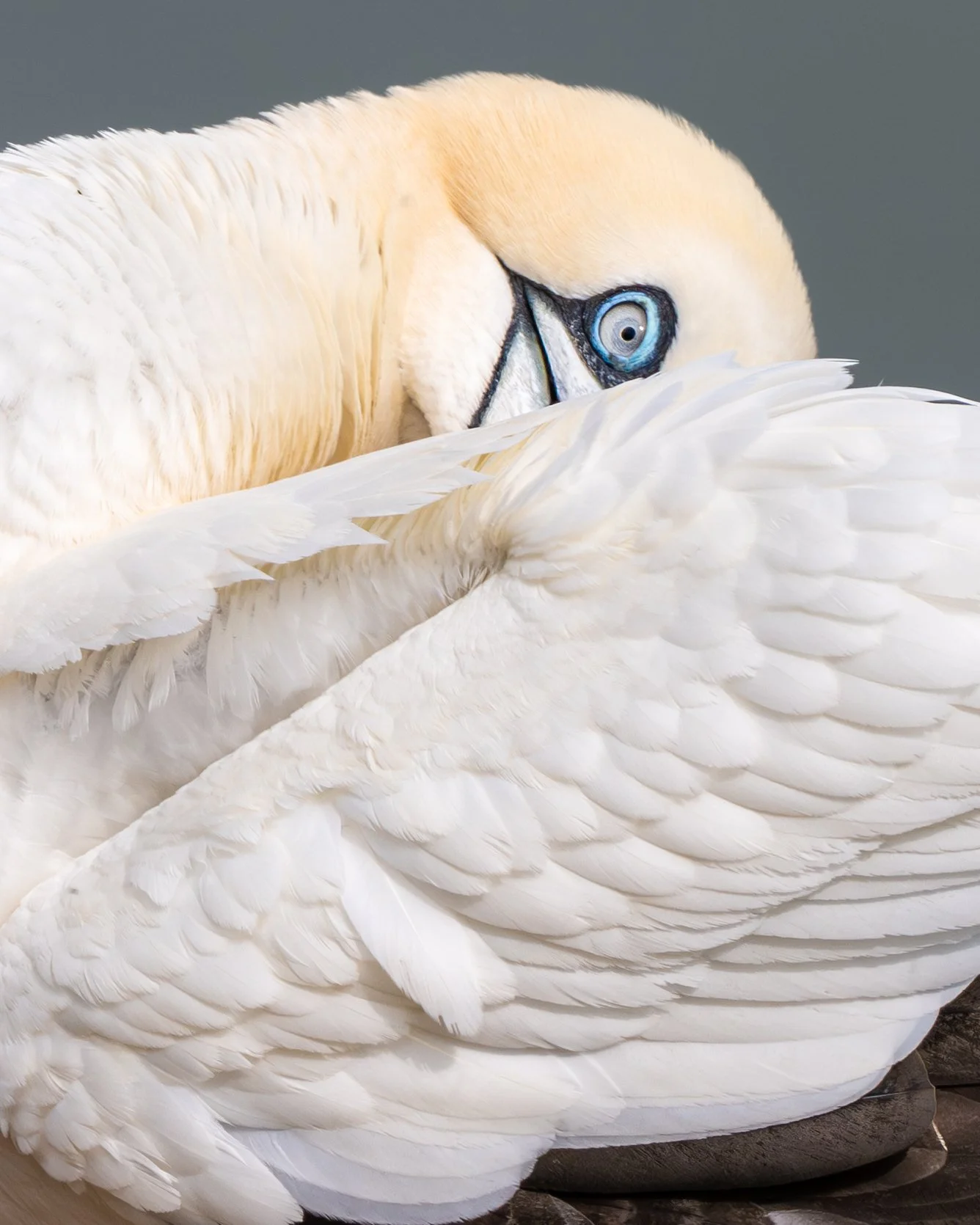
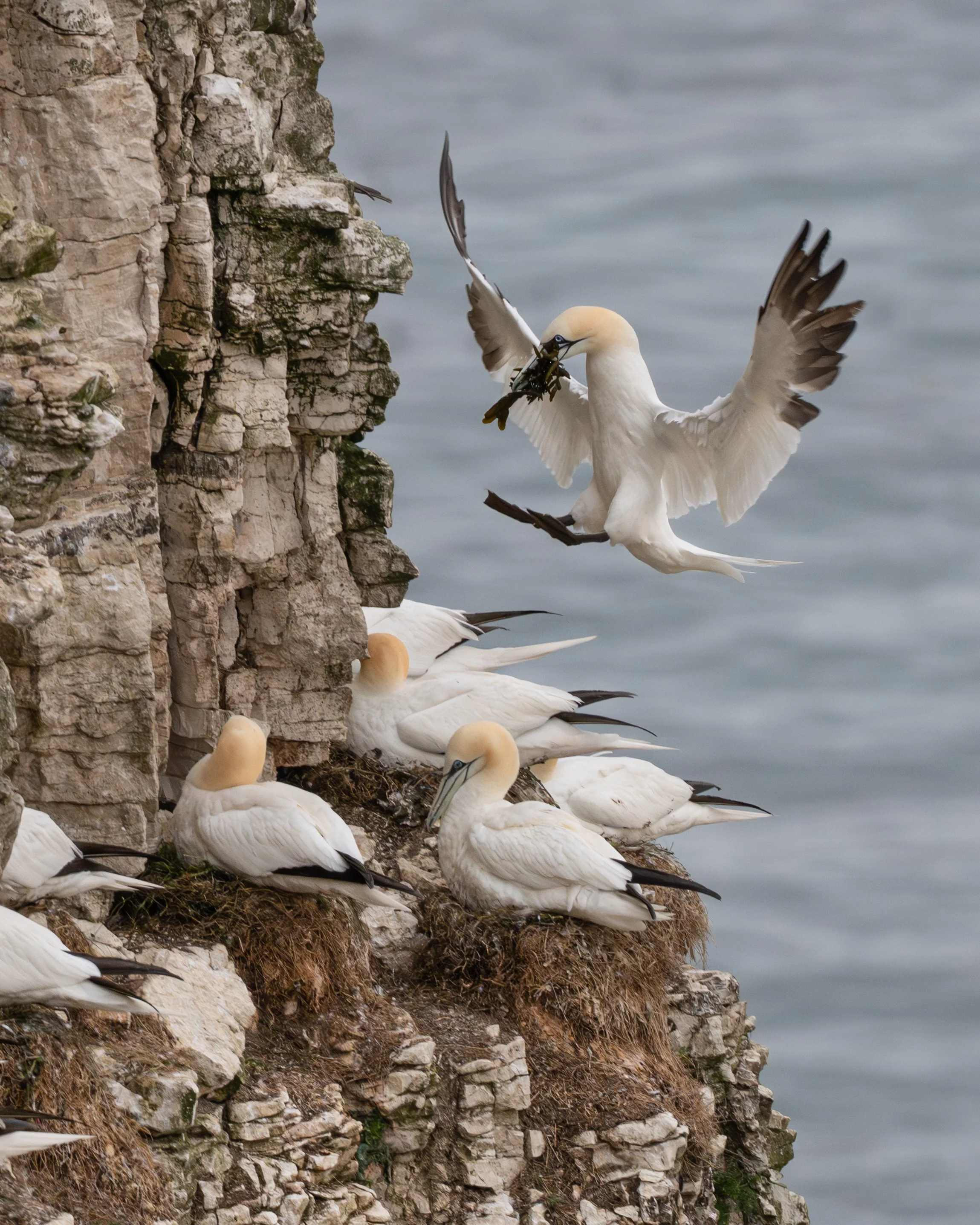
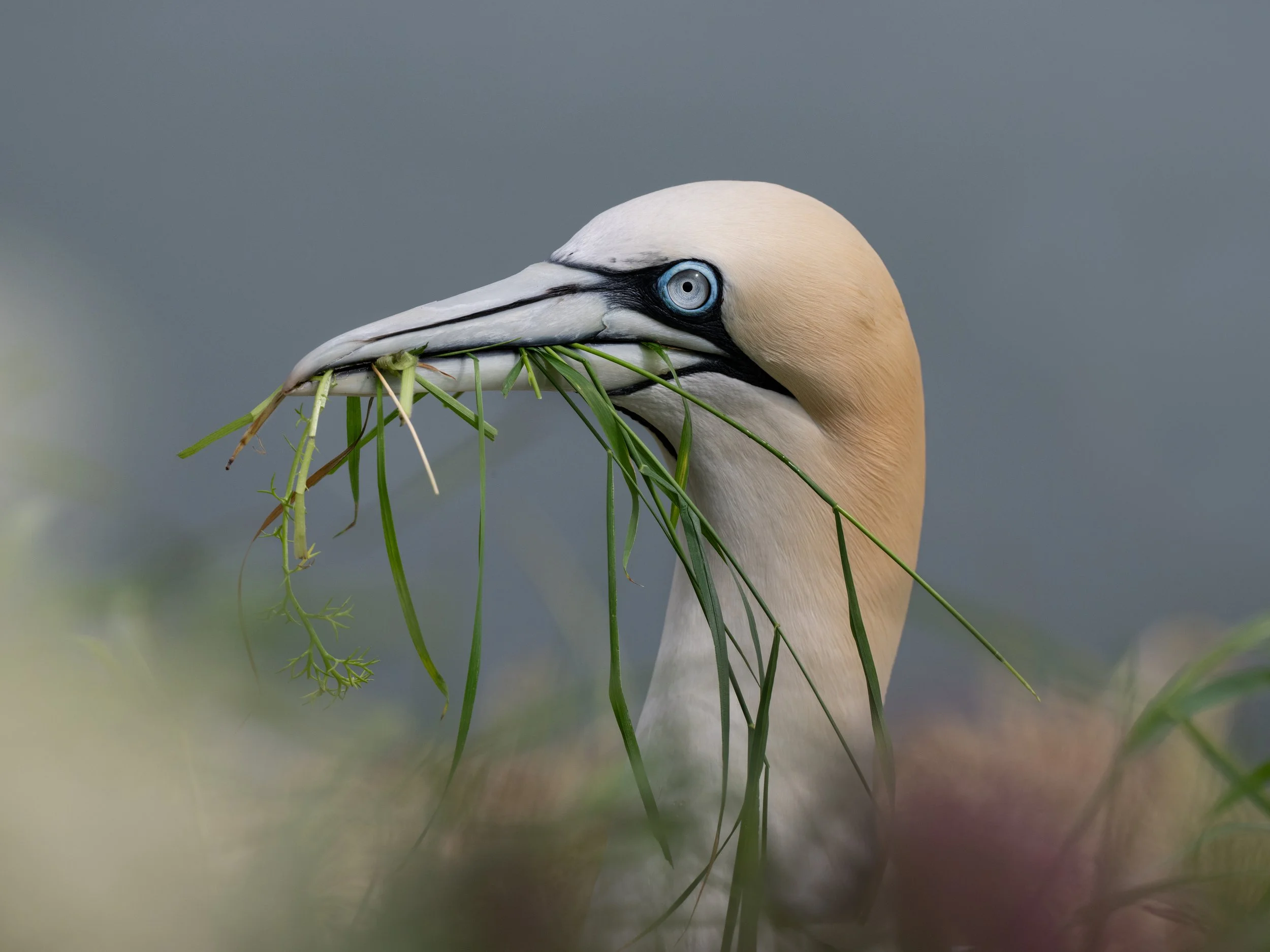
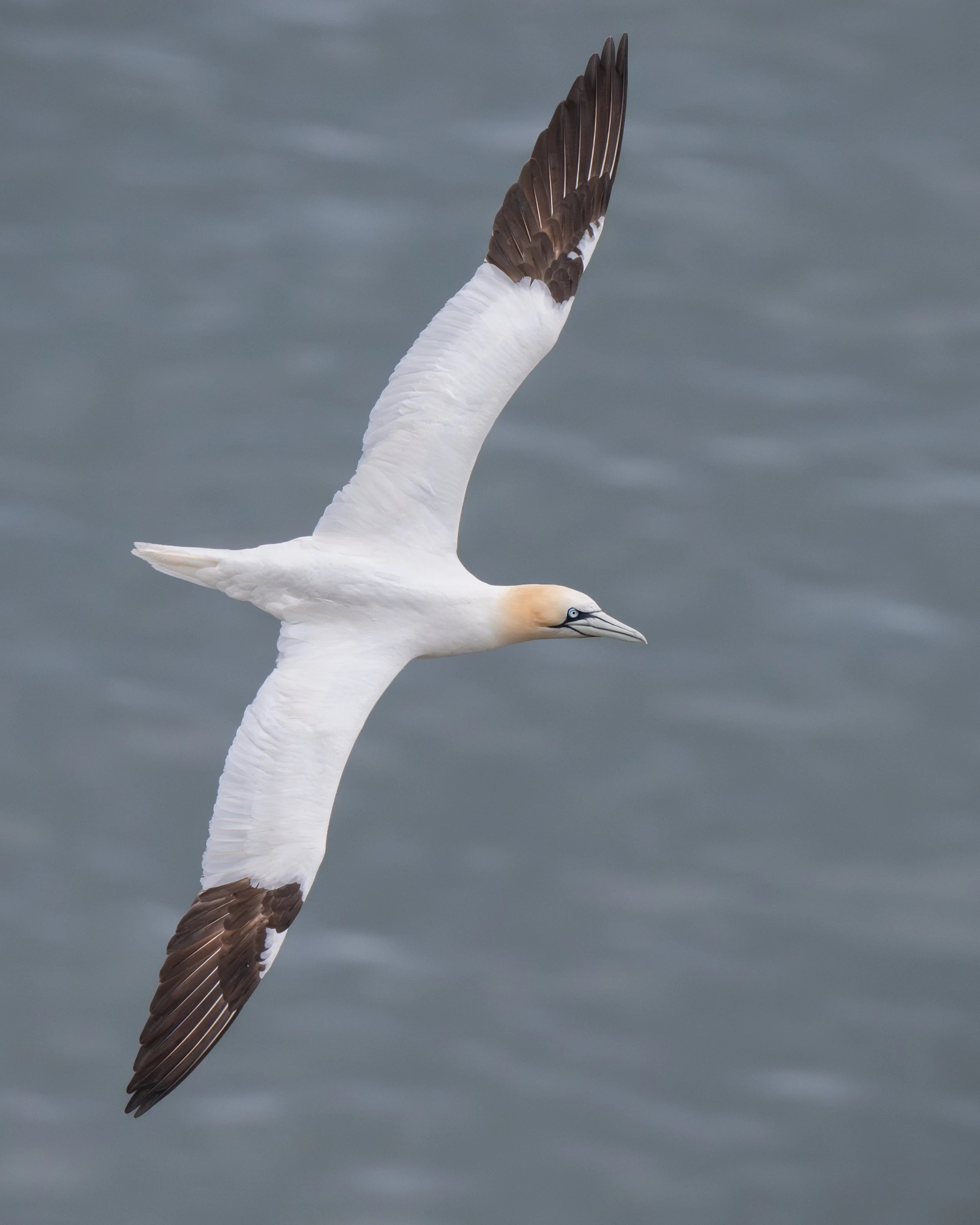
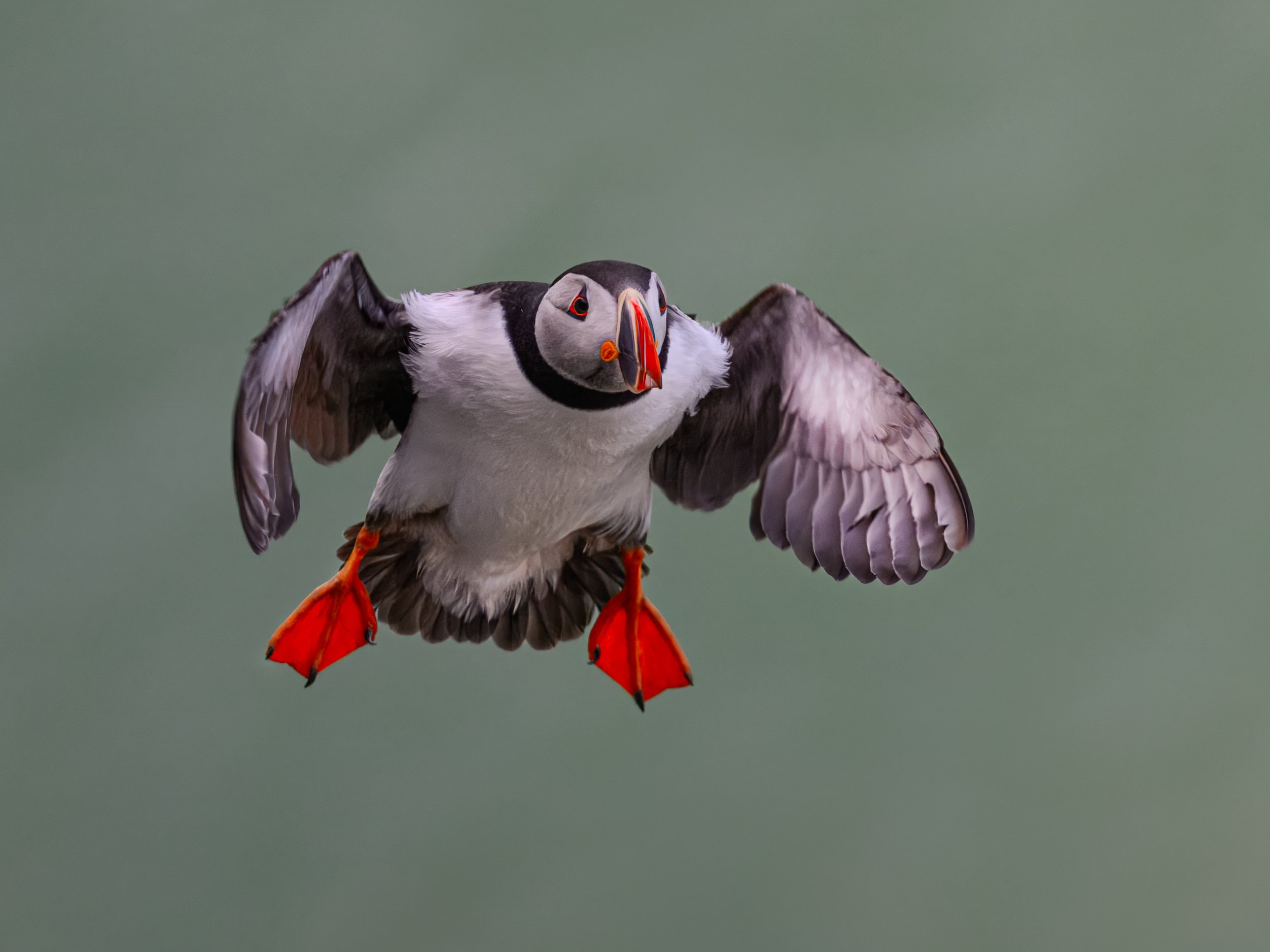
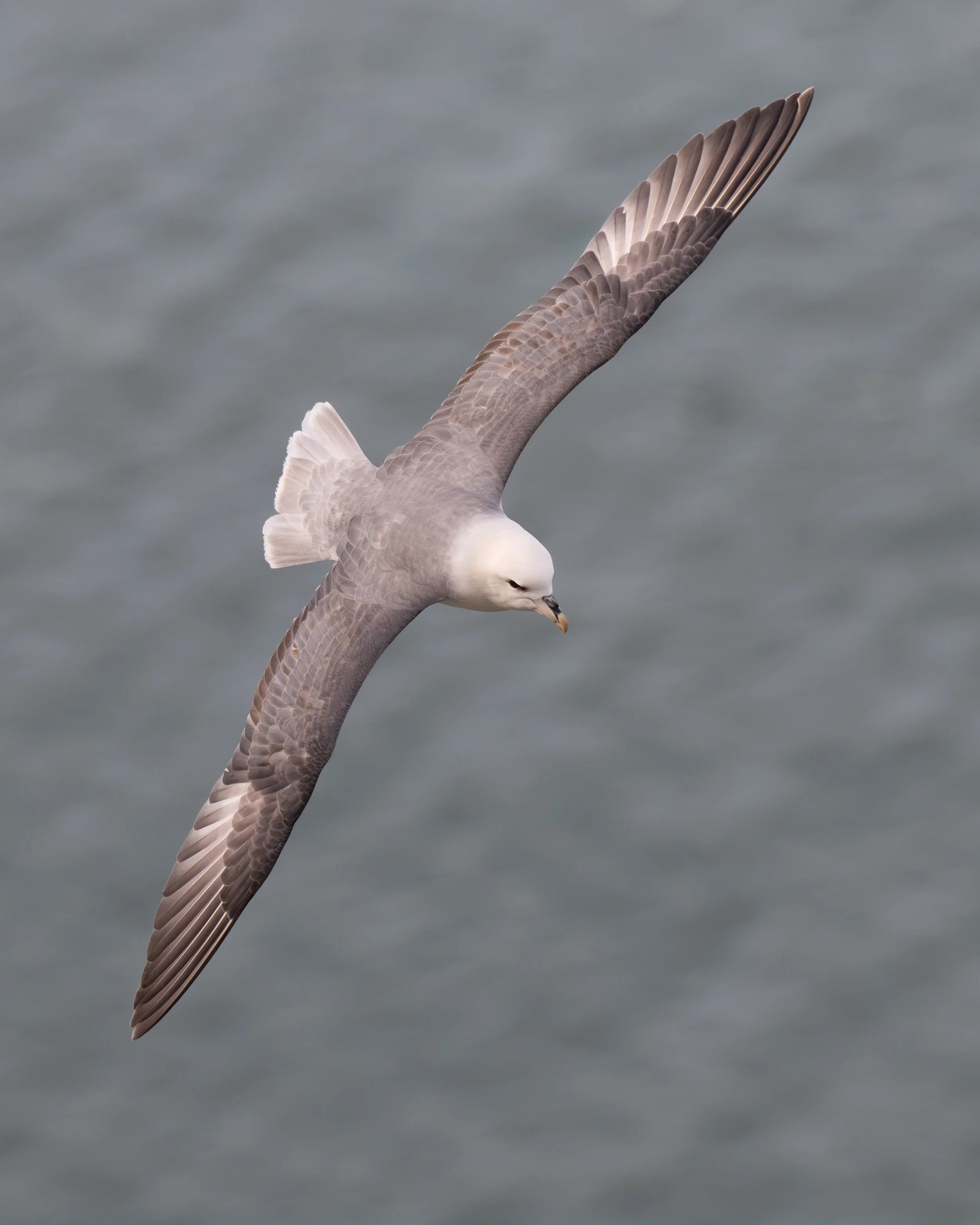
The wildlife list from just a few days was remarkable. Gannets, Kittiwakes, Fulmars, Puffins, Razorbills, Guillemots, gulls and seals were the obvious highlights, but there was plenty happening away from the cliffs too.
Swifts screamed overhead, Skylarks sang above the fields, Whitethroats and Sedge Warblers filled the hedgerows with song, while Reed Buntings, Corn Buntings, Rock Pipits and Meadow Pipits all made appearances.
Add in countless butterflies drifting through the wildflowers and there was never a moment when something wasn't catching our attention.
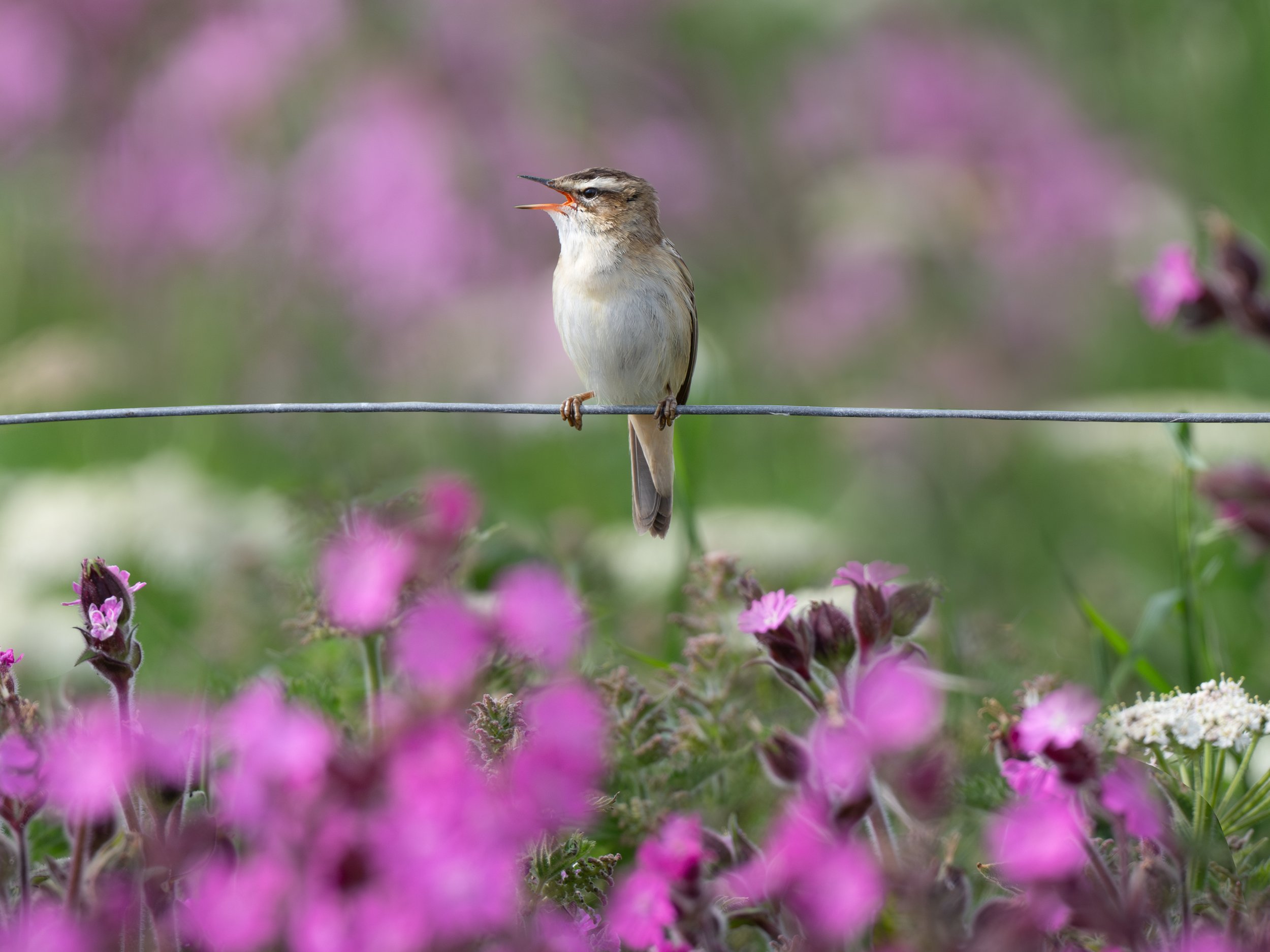
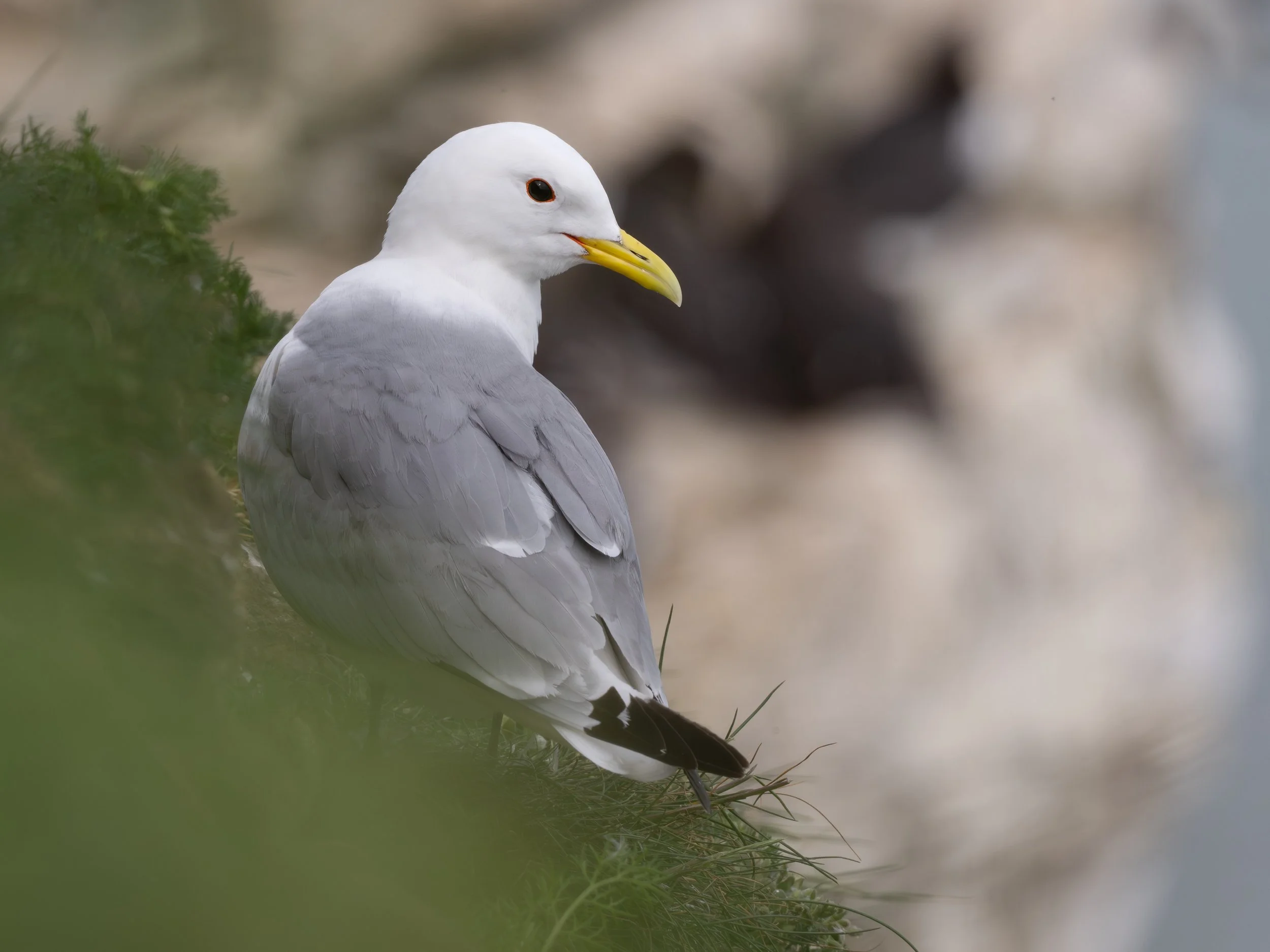
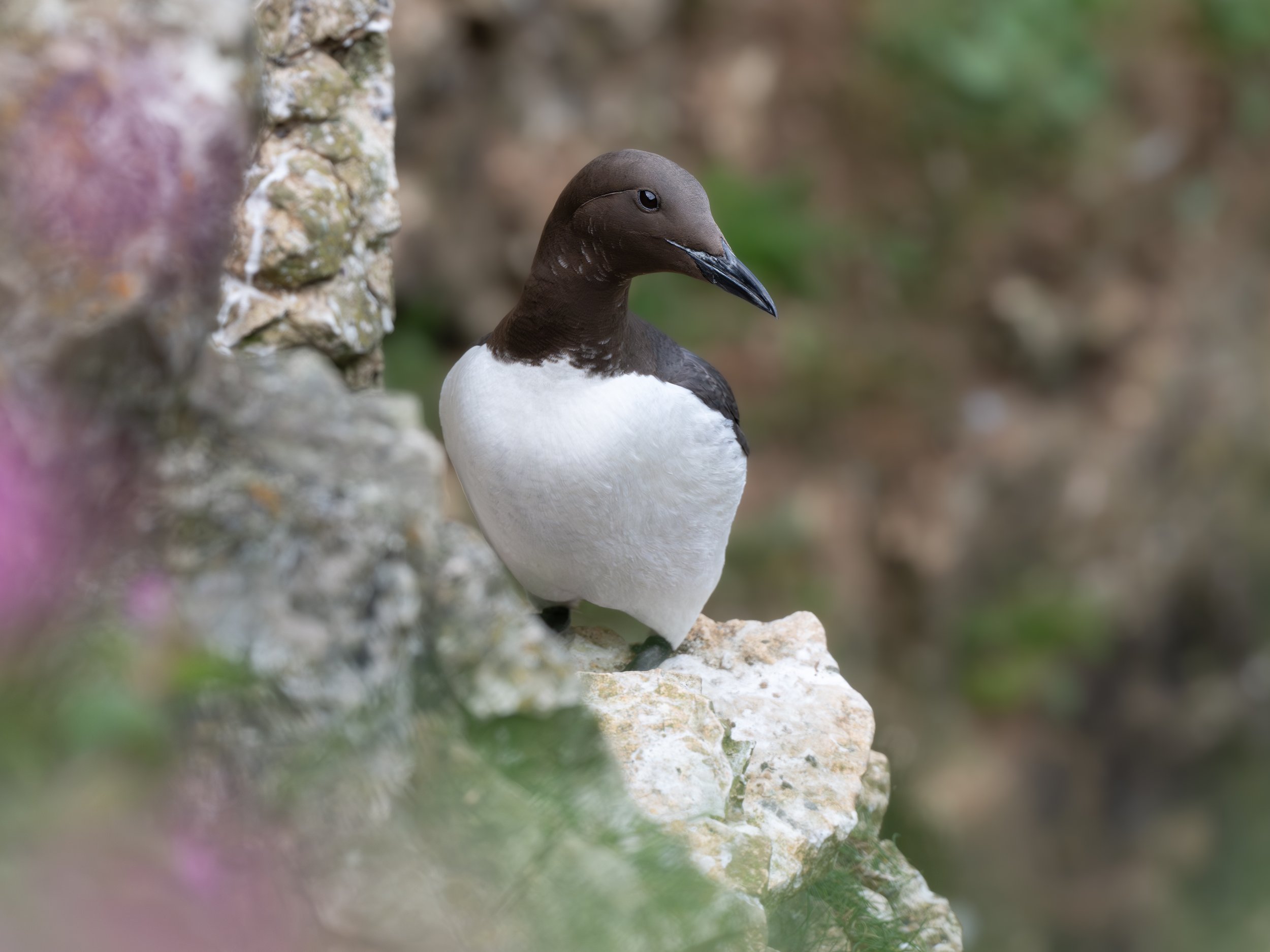
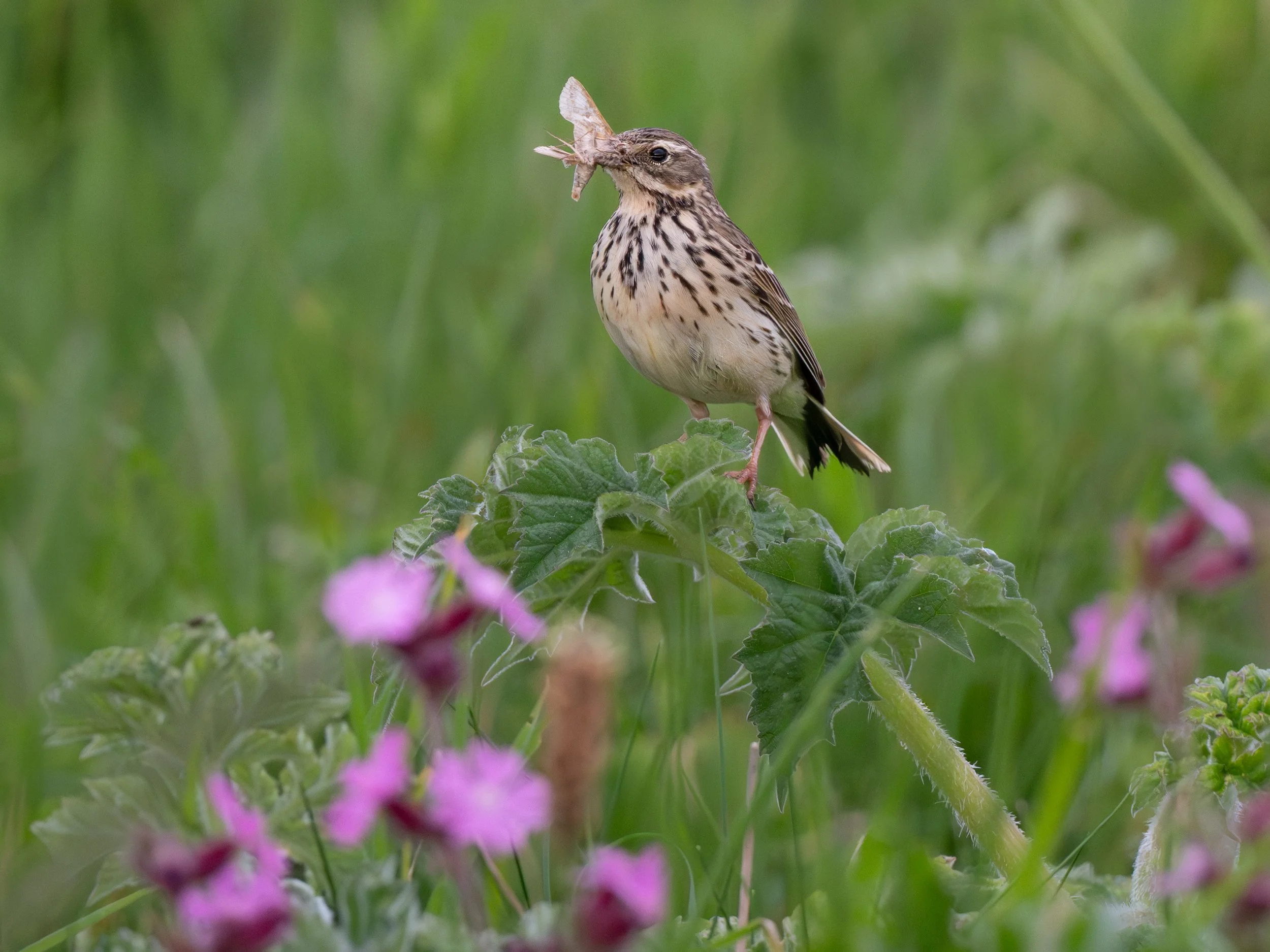
What makes Bempton so special isn't just the wildlife. It's the contrast. On one side, towering white cliffs dropping into the North Sea and packed with seabirds. On the other, golden wheat fields and colourful wildflower margins stretching across the countryside.
It's wild, beautiful, noisy, peaceful, exhausting and utterly addictive all at the same time.
Three nights wasn't enough.
The tent is packed away, the photographs are edited, and that rebellious lamb is hopefully staying where she's supposed to.
But I already know we'll be back. Because once you've experienced Bempton Cliffs in spring, with the seabirds filling the sky and the cliffs bursting with life, a little piece of you never really leaves.